


Last Updated: 5 November 2026
Quick Summary
Small bravery gifts work best when they are coping tools rather than distractions, giving a nervous child something concrete to hold and a routine to follow. Choose a gift that matches your child's age and temperament, and practise with it during calm moments before the hard moment arrives.
- A calm-down kit usually holds three to five items, each chosen for a different job.
- Avoid small detachable parts and loose beads for children under six.
- Practise with a comfort object for a week before school starts.
- Introduce a new sensory tool during a calm moment, never mid-meltdown.
- Ask whether your child can use the gift without an adult present.
Table of Contents
- Why Small Bravery Gifts Work for Nervous Children
- How to Choose a Bravery Gift by Age and Temperament
- First Day of School Gifts for Nervous Kids
- Building a Calm-Down Kit for Children
- Everyday Ways to Help Children Face Worries
- Budget-Friendly DIY Bravery Tools vs Buying Ready-Made
- Choosing a Bravery Gift That Fits Your Child
- Frequently Asked Questions
Why Small Bravery Gifts Work for Nervous Children
A small bravery gift works because it gives a nervous child something concrete to hold onto when words fail them. A simple object, a card, a stone, a soft thing in a pocket, can shift a child's posture from frozen to steady. The trick is choosing the right object and pairing it with the right conversation.
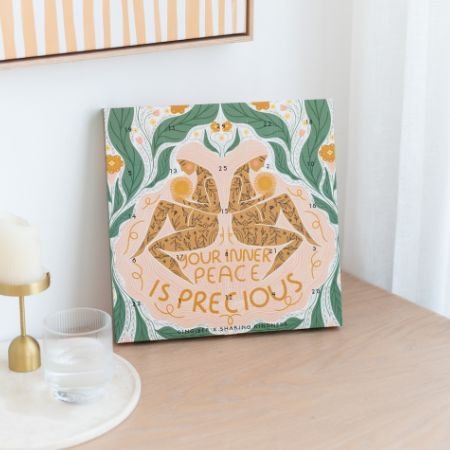
Here is the part most gift guides skip: the gift is not the point. The gift is the doorway.
The difference between a distraction and a coping tool
A distraction pulls a child's attention away from a feeling for a moment. A coping tool gives them a way to move through it. A fidget spinner handed over mid-meltdown is a distraction.
That distinction should shape what you buy. Look for gifts that come with a routine, a prompt, or a shared activity. Anything that invites a conversation will outlast anything that just looks nice on a shelf.
How to Choose a Bravery Gift by Age and Temperament
Age matters less than most parents think, but it still sets the boundaries. A four-year-old needs comfort they can feel. A twelve-year-old needs to not feel patronised. Match the gift to the developmental stage first, then to the child's temperament and sensory profile.
Ages 4 to 6: sensory comfort first
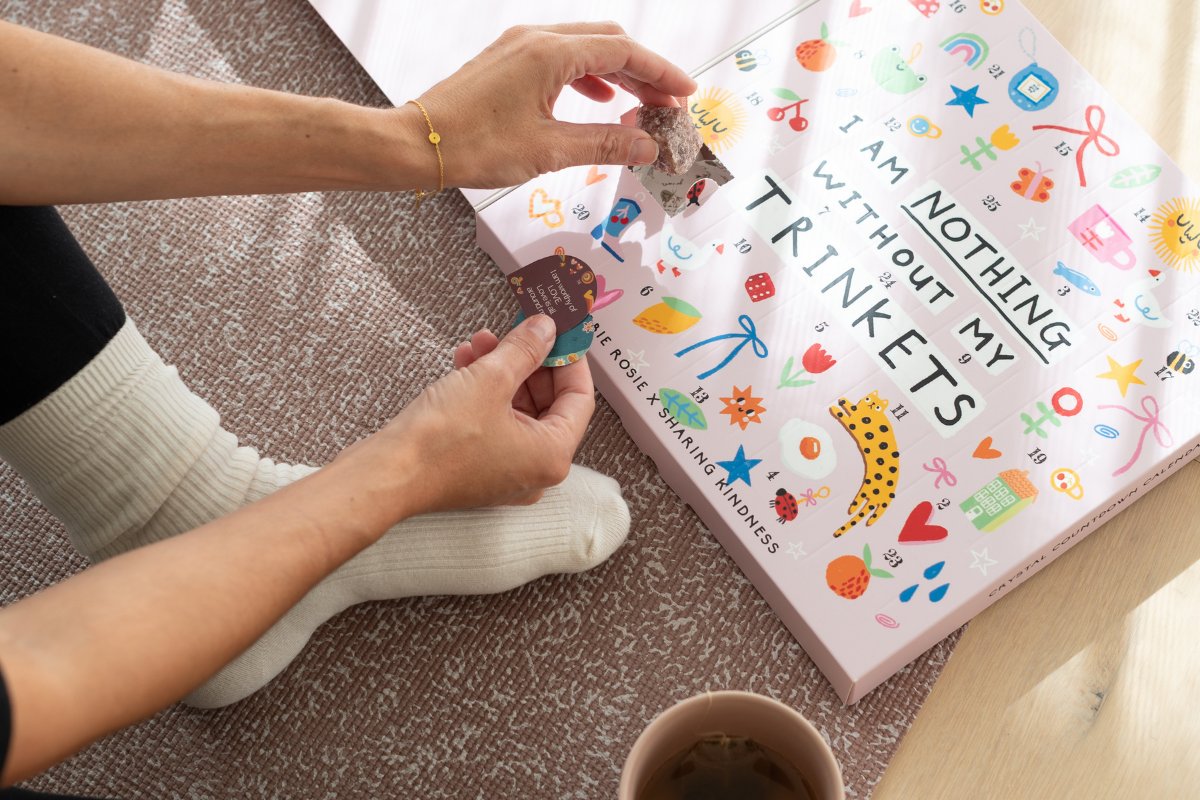
Children this age process worry through their bodies. Weighted plush toys, smooth stones, soft pouches and anything with a satisfying texture do more good than a card they cannot read yet. Pair the object with a simple script: "When your tummy feels wobbly, hold this and take three slow breaths with me."
Watch out: avoid items with small detachable parts or loose beads, as these are a choking risk for children under six and a common source of frustration for parents who buy without checking.
Ages 7 to 9: tools they can use themselves
This is the age where independence starts to matter. Children want to manage their own worry, and a small kit they can keep in their school bag gives them that sense of control. Affirmation cards, a pocket hug, or a tiny journal all work well here because the child is the one reaching for them.
Ages 10 to 12: respect over cuteness
Older children will reject anything that feels babyish, and they will tell you so. Choose gifts with a cleaner design and a more mature tone. Our Box of Confidence affirmation cards feature hand-drawn illustrations and simple, powerful words, which may suit this age group.

Neurodivergent children: sensory sensitivities and specific needs
If your child is autistic or has ADHD, the standard advice about bravery gifts needs adjusting. Many neurodivergent children experience sensory input more intensely, so a texture that soothes one child can overwhelm another.
The most useful approach is to observe before you buy.
For autistic children, predictability matters as much as comfort. A set of cards with the same illustration style and the same format each time reduces cognitive load.
Watch out: avoid introducing a new sensory tool during a meltdown. A child in distress may find it hard to process a new object.
First Day of School Gifts for Nervous Kids
First day of school gifts for nervous kids work best when they are small enough to fit in a uniform pocket and familiar enough to feel like a piece of home.
Think about the school day from a child's perspective. They cannot carry a large toy, they cannot ask for a cuddle, and they often cannot leave the room.
For parents who want a deeper look at this specific moment, our guide to school transition gifts for anxious children walks through the first week in detail. If you are browsing for ideas, you can also explore our confidence gifts for children starting school.
One practical tip from watching families do this: practise with the object for a week before school starts. A comfort item only works if the child has already linked it to feeling calm.
Building a Calm-Down Kit for Children
A calm-down kit for children is a small, portable collection of objects that help a child regulate their body and feelings during a hard moment.
Box of Confidence - Affirmation Cards →
Here is a simple structure we recommend to families:
| Item type | Job it does | Example |
|---|---|---|
| Tactile object | Gives the hands something to do | Smooth stone, small crystal |
| Visual anchor | Gives the eyes a calm focus | Affirmation card, small photo |
| Breathing prompt | Slows the nervous system | Card with a simple breath exercise |
| Comfort object | Signals safety | Small soft toy, pocket hug |
Keep the kit small. Introduce it during a calm moment, never mid-meltdown, and let the child choose which items go in. Ownership is what makes them reach for it.
Watch out: a kit that lives permanently at the bottom of a bag and is never mentioned again becomes clutter. Refresh it together every few weeks.
Everyday Ways to Help Children Face Worries
The everyday work happens in small moments, not big speeches. Children learn to face worry by watching how the adults around them respond to their own. Name your own feelings out loud, show them what you do when you feel nervous, and let them see you recover.
A few habits that help:
- Name the feeling. "You look worried about the assembly. That makes sense."
- Separate the feeling from the child. "The worry is loud today" rather than "you are an anxious child."
- Practise small brave steps. Agree on one tiny action, then celebrate it.
- Use visual reminders. A growth mindset poster on the bedroom wall gives children language for the shift from "I can't do this" to "I can't do this yet."
Grounding techniques work well for children too. Five things you can see, four you can hear, three you can touch. Keep it short and do it with them rather than at them.

Budget-Friendly DIY Bravery Tools vs Buying Ready-Made
DIY bravery tools cost less and carry more personal meaning, while ready-made gifts save time and come with a structure already built in. Both work. The right choice depends on how much time you have, how much your child values things you made together, and what materials you can safely use.
A DIY worry stone takes minutes: find a smooth pebble, paint it together, and agree on what it means. A homemade affirmation jar works the same way. The making is part of the coping, because the child helped build the tool.
Material safety and sustainability
Parents of nervous children often have a heightened awareness of what goes into their child's body and environment. This applies to bravery gifts too. A child who is already anxious may be more sensitive to strong smells, rough textures, or unfamiliar materials. When choosing or making a gift, consider the following:
- Washable fabrics. A comfort object will be held, chewed, and dropped. Choose fabrics that can be machine washed at a low temperature without losing shape or colour.
- Avoid synthetic fragrances. Scented items are common in gift shops but can trigger headaches or sensory overload in sensitive children. Unscented is safer unless you know the child's preferences.
- Check for small parts. For children under three, anything that fits inside a toilet roll tube is a choking hazard. For older children, loose beads or detachable eyes on soft toys can still be a risk if the child chews.
- Consider second-hand or natural materials. A smooth wooden block or a cotton pouch from a charity shop can be cleaned and repurposed. This keeps costs down and reduces waste.
DIY versus ready-made: a practical comparison
| Approach | Best for | Trade-off |
|---|---|---|
| DIY | Tight budgets, craft-loving kids, families who want to control materials | Needs your time and energy; finish may be less durable |
| Ready-made | Busy weeks, gifts for others, children who need a structured tool immediately | Less personal; you rely on the manufacturer's material choices |
| Hybrid | Most families | Requires a little planning but balances cost, safety, and personal meaning |
A hybrid approach often works best: buy a simple ready-made base, such as a plain cotton pouch or a set of blank cards, and personalise it together.
Ready-made sets suit families who want something well designed. Our Kindness Crystals pass-it-on set is a small option that comes with cards explaining what to do.

Watch out: a DIY gift that takes hours to make can create pressure for the child to use it, which backfires if they do not take to it. Keep DIY projects short and low-stakes so the child feels free to reject the object without guilt.
Choosing a Bravery Gift That Fits Your Child
The best bravery gift is the one your child will actually use, which usually means it matches their temperament rather than their age alone. A sensory-seeking child will love a textured object. A cautious child may prefer something they can keep private. A sceptical ten-year-old needs a gift that respects their intelligence.
Ask three questions before you buy:
- Can my child use this without an adult present?
- Does it come with a way to start a conversation?
- Will it still be meaningful in six months?
If the answer to all three is yes, you have found a keeper. If not, keep looking. A gift that sits in a drawer teaches nothing.
Frequently Asked Questions
What small gifts can help a child feel brave?
The most useful bravery gifts give a child something to do with a nervous feeling, not just something to hold. A set of affirmation cards, a pocket-sized comfort object or a few smooth stones with a card explaining what to do with them all work because they prompt an action. Pair the gift with a short routine, such as reading one card together before school, so the object becomes a cue rather than another toy in a drawer.
What should I include in a calm-down kit for a child?
Keep it small enough to fit in a school bag and build it around the senses. A soft or weighted item for touch, a card with three simple breathing or grounding steps, and one familiar comfort object cover most situations. Add a fidget tool if your child settles better with something in their hands. Let your child choose one or two items themselves, because a kit they helped assemble is one they are more likely to reach for.
How do I encourage a nervous child without adding pressure?
Name the feeling without making it the whole story, then offer a tool rather than a pep talk. Saying something like 'your tummy feels wobbly about tomorrow, which card should we take' gives a child a job to do. Avoid promises that everything will be fine, since a nervous child often does not believe them. Praise the attempt, including the attempts that did not go well, rather than only the outcome.
Are affirmation cards actually useful, or just nice in theory?
Cards work when an adult uses them with the child rather than handing them over. The value sits in the conversation a prompt starts, which is why a set with simple words and pictures tends to get more use than a deck with long statements. Use one card at a time, at a predictable moment such as breakfast or bedtime, and let your child pick. A deck that stays in rotation for months is doing its job.
Nervous children do not need bigger gifts. They need smaller, steadier ones, paired with a parent who keeps showing up. At Sharing Kindness, our affirmation cards, pass-it-on crystals and family game are built for exactly this: turning a feeling into a conversation, and a conversation into confidence. Browse the Box of Confidence to find a set that suits your child's age and temperament, and start with one small brave step together.
