


Last Updated: November 4, 2026
Quick Summary
Printable kindness kits are sets of downloadable pages you print at home, giving a child one small kind act to do each day away from a screen. Most kits hold four parts: a tracker, activity cards, a reflection prompt and a display piece. Match the kit to your child's age and keep it visible so the daily habit sticks.
- Ages 4 to 6 need pictures and one-step acts, such as giving someone a hug.
- Ages 7 to 9 can handle a tick-box tracker and a short written reflection.
- Ten minutes is the sweet spot for a daily kindness activity.
- Print a fresh tracker each month so the streak resets kindly.
- Keep the kit visible, because a drawer kit gets forgotten by Wednesday.
Table of Contents
- Why a Printable Kindness Kit Beats Another Screen
- What Goes Into a Printable Kindness Kit
- Daily Kindness Activities for Kids That Take Ten Minutes
- Empathy Activities for Children: Moving Beyond 'Be Nice'
- Printable Kindness Activities for Kids: Making the Habit Stick
- Children's Books About Empathy and Kindness to Pair With Your Kit
- Start Your Kindness Kit Today
- Frequently Asked Questions
Why a Printable Kindness Kit Beats Another Screen
Printable kindness kits for daily practice are simple paper tools, cards and checklists that give a child one small kind act to do each day, away from a screen. Families often swap a scroll session for a ten-minute kindness task, and the habit tends to stick when the card is visible. The pull is easy to explain: a screen asks nothing of a child, while a printed card asks them to do something for someone else.
That difference matters more than most parents expect. Kindness is a habit, and habits grow through repetition, not through good intentions. A kit on the fridge door does the reminding for you.
Below, we show you exactly what to put in a kit, how to match it to your child's age, and the ten-minute activities that keep the habit alive past week one.
What Goes Into a Printable Kindness Kit
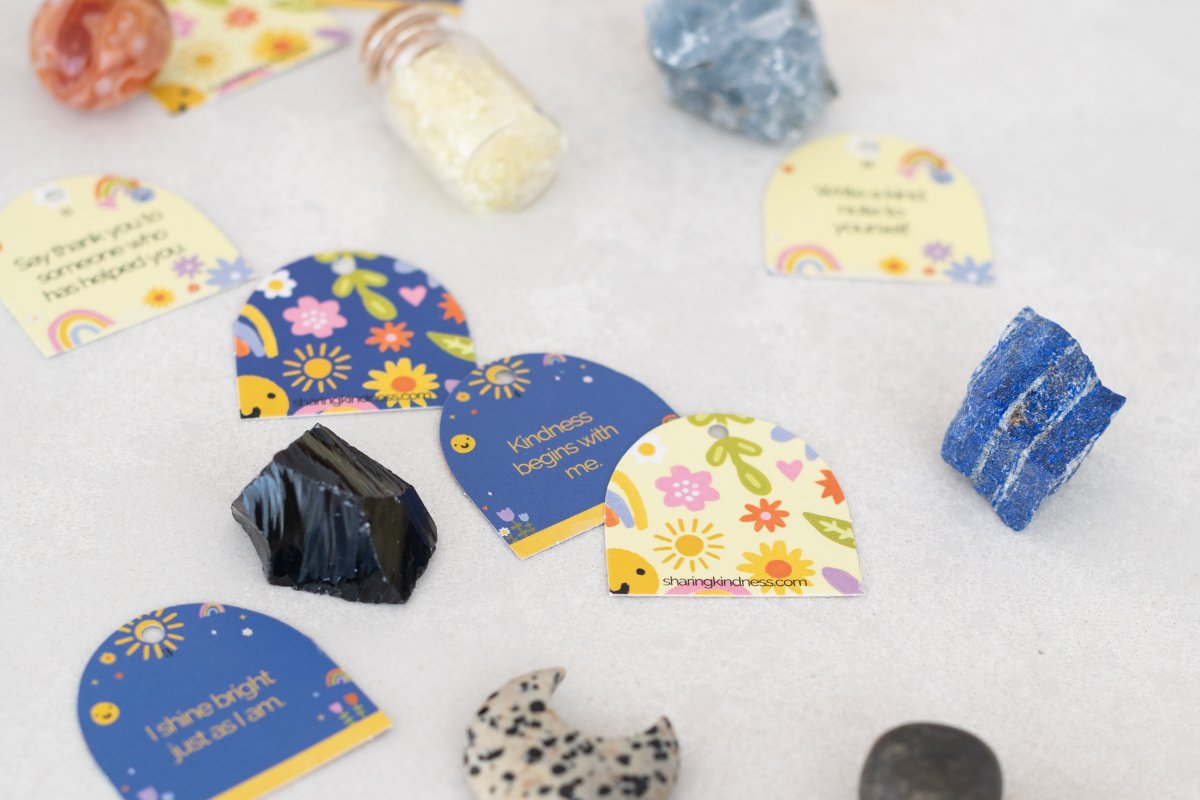
A printable kindness kit is a set of downloadable pages, printed at home, that gives a child a daily or weekly kind act to complete. The best kits share four parts: a tracker, a set of activity cards, a reflection page, and something to display.
The Core Components
Most printable kindness kits for daily practice work best when they hold these pieces:
- A kindness tracker: a sheet with boxes to tick each day.
- Activity cards: one small act per card, easy to pick at random.
- A reflection prompt: one line for "how did that feel?"
- A display piece: a bucket list or poster for the wall.
The Kindness Bucket List Kit includes ideas for both kindness to others and kindness to yourself, and can be framed on the wall or used as a tick-off list.

Choosing the Right Kit for Your Child's Age
Ages 4 to 6 need pictures and one-step acts, like "give someone a hug" or "draw a happy face". Ages 7 to 9 can handle a tick-box tracker and a short written reflection. Ages 10 to 12 often resist anything that feels babyish, so let them choose the acts and keep the language plain.
A common mistake is buying for the age you wish they were. Match the kit to the child in front of you.
Here is how the four core parts of a kit fit together, and which ages each approach suits.
30-Day Kindness Challenge [PRINTABLE] →
| Item | Best for | Key difference |
|---|---|---|
| Kindness tracker | Ages 7 to 9 | Sheet with boxes to tick each day |
| Activity cards | All ages | One small act per card, picked at random |
| Reflection prompt | Ages 7 to 9 | One line asking how that felt |
| Display piece | All ages | Bucket list or poster for the wall |
| Pictures and one-step acts | Ages 4 to 6 | Simple acts like giving someone a hug |
| Child-chosen acts, plain language | Ages 10 to 12 | Avoids anything that feels babyish |
Daily Kindness Activities for Kids That Take Ten Minutes
Daily kindness activities for kids work best when they are small enough to finish before boredom sets in. Ten minutes is the sweet spot: long enough to feel like something, short enough that nobody groans.
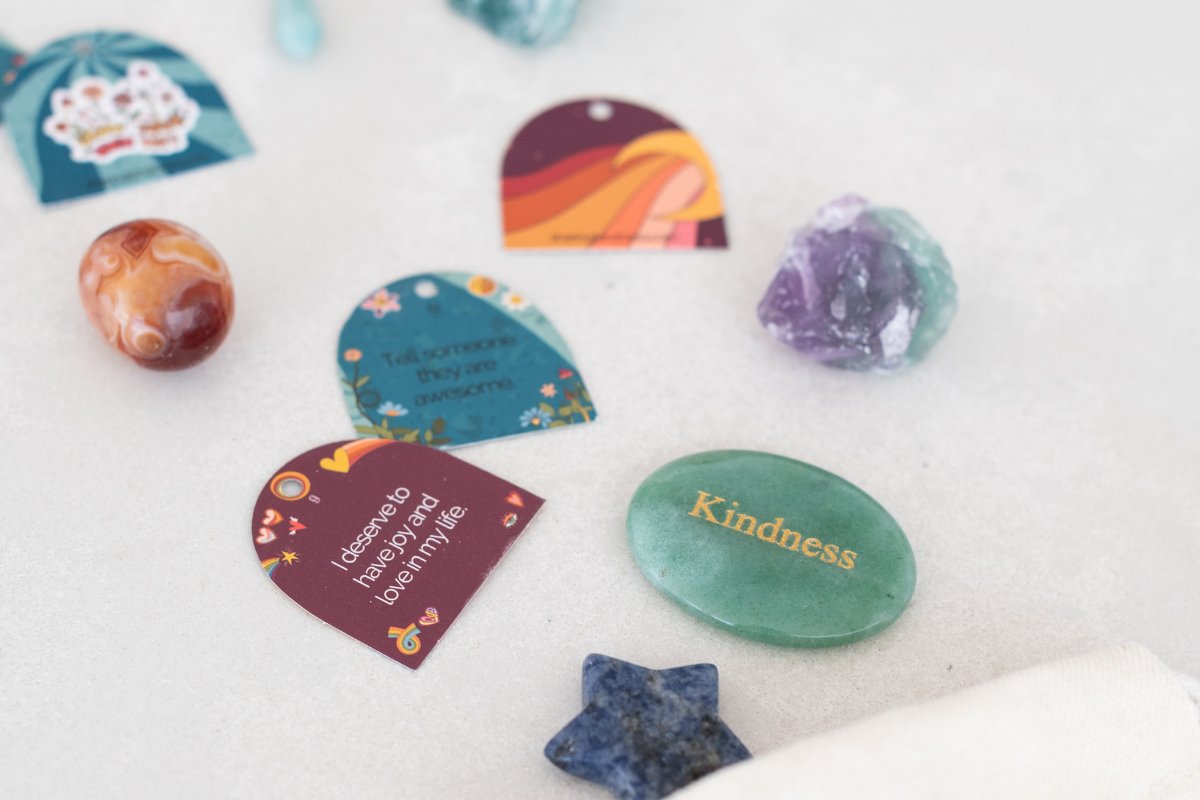
Try these:
- Write one note to a neighbour and post it.
- Sort two toys to donate.
- Ring a grandparent just to say hello.
- Make a drink for someone else in the house.
- Pick up three pieces of litter on a walk.
The trick is to keep the kit visible. A drawer kit gets forgotten by Wednesday.
Empathy Activities for Children: Moving Beyond 'Be Nice'
Empathy activities for children teach a child to notice how someone else feels, not just to follow a rule. "Be nice" is a command. Empathy is a skill, and skills need practice.
Try a simple swap: ask your child to guess what a character in a story is feeling, then ask what they might do about it. Or use a feelings check at dinner, where everyone names one emotion from their day.
For a deeper look at the why behind these activities, our guide on how to teach kindness to kids walks through the parent side in more detail.
Watch out: correcting a child's guess about someone's feelings shuts the exercise down fast. Ask "what makes you think that?" instead.
Printable Kindness Activities for Kids: Making the Habit Stick
Printable kindness activities for kids stick when there is a visible streak to protect. A tick-box tracker lets a child see kindness building over time.
Keep these rules in mind:
- Print a fresh tracker each month so the streak resets kindly.
- Let your child tick the box themselves, in their own hand.
- Skip a day without drama and pick it back up.
If you want a ready-made structure, our 30-Day Kindness Challenge gives you a month of acts of kindness to work through.

Children's Books About Empathy and Kindness to Pair With Your Kit
Children's books about empathy and kindness give a kit its stories. A printed card tells a child what to do; a book can show them why it matters.
30-Day Kindness Challenge [PRINTABLE] →
Three to look for at your local library or bookshop:
- Picture books about a character who helps a stranger.
- Stories about a child who notices someone left out.
- Books about being kind to yourself on a hard day.
Read one, then pull the matching card from the kit. Pairing a story with an act can help the idea land.
For reinforcement alongside the reading, our printable affirmation cards offer children positive affirmations to build confidence and resilience.

Start Your Kindness Kit Today
A daily kindness practice can lose momentum once the novelty wears off, so keep the kit where you will both see it. Solve that by printing it tonight and sticking it somewhere you will both see it tomorrow morning. Keeping the kit in sight can make small acts of kindness part of the morning routine, alongside a daily gratitude practice that helps children notice what they appreciate.
Sharing Kindness is designed to make this easy. Our printables are digital downloads you can print at home. If you are ready to begin, you can browse the full printables collection and pick the kit that fits your child's age.
Get started with Sharing Kindness and give your family a small daily habit that builds something bigger than a ticked box.
Frequently Asked Questions
What should I include in a printable kindness kit for kids?
A good kit includes a daily challenge sheet or calendar, a set of simple acts of kindness written at your child's reading level, a tracker so they can tick off what they've done, and a few reflection prompts. Add a small stack of blank cards for writing notes to others. The 30-Day Kindness Challenge and the Kindness Bucket List Kit both give you a ready-made structure, and you can print only the pages you need.
How often should children practise kindness activities?
Daily is ideal, but ten minutes is plenty. Short, repeated practice builds the habit far better than one big gesture every few weeks. Try attaching it to something you already do, like after breakfast or before bedtime stories. A 30-day challenge works well as a starting point because it gives children a visible streak to keep going, and you can repeat it or move to a bucket list format once the routine feels natural.
Do printable kindness activities work for a cynical 10-year-old?
They can, if you drop the babyish framing. Let older kids choose the acts themselves, give them ownership of the tracker, and skip anything that feels like a worksheet. Activities with a bit of independence, like making someone a drink without being asked or leaving a note in a library book, tend to land better than colouring pages. Pairing the kit with a book about empathy gives you something to discuss rather than instruct.
How can parents help a child learn empathy?
Name feelings out loud, ask questions instead of lecturing, and let children see you being kind when it costs you something. Empathy activities for children work best when they involve another person's perspective, such as guessing how a character in a story feels or writing a note to someone who is having a hard week. Keep it small and regular. A printable kit gives you prompts, but the conversation you have around them is what children remember.
