


Last Updated: 15 November 2026
Quick Summary
The best mindfulness gifts for families with kids are shared tools that everyone can use together, such as card games, affirmation cards and gratitude stones. Choose by developmental stage rather than birthday age, and start with something simple. A gift the whole household uses tends to become a habit, while one-child gifts often end up on a shelf.
- Pick shared gifts so grandparents, siblings and parents can all join in.
- Choose by developmental stage, since two children of the same age can differ widely.
- Err younger for a first purchase, as a gift pitched too high is often abandoned.
- Keep anything small away from children under three and check age labels.
- Choose calming tools that can travel in a bag or pocket, not just one room.
Table of Contents
- Why Mindfulness Gifts Work Better as Family Gifts
- How to Choose Mindfulness Gifts by Age and Stage
- Family Mindfulness Activities You Can Share
- Mindfulness Games for Children That Actually Get Played
- Calming Tools for Kids and Sensory Needs
- Kindness Activities for Kids to Pair With Your Gift
- Choosing Your Family's First Mindfulness Gift
- Frequently Asked Questions
Why Mindfulness Gifts Work Better as Family Gifts
Mindfulness gifts for families with kids work best when everyone gets something out of them. A single gift for one child often sits on a shelf after the first week. A gift the whole household uses together gets pulled out again and again.
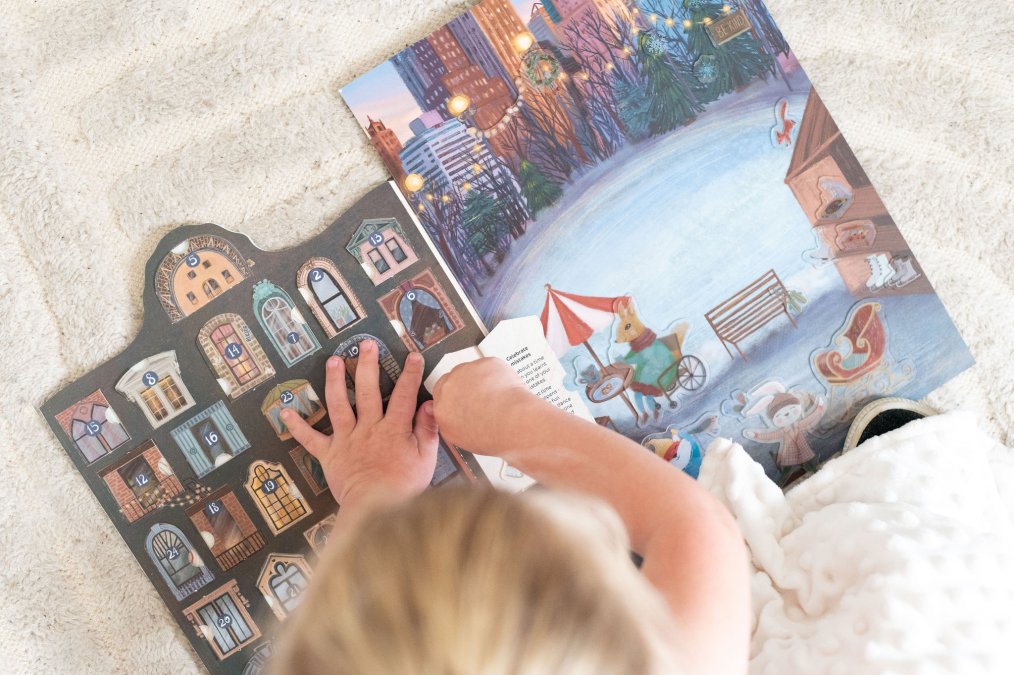
The idea is simple. When a parent and child play a card game or work through a reflection prompt side by side, the gift becomes a shared moment rather than a solo task. Conversations that start with a card often run longer than anyone expected.
Shared gifts also suit mixed households. Grandparents, siblings and parents can all join in without anyone feeling left out. That matters when you are choosing something for a family rather than one person.
How to Choose Mindfulness Gifts by Age and Stage
Age is the fastest filter for narrowing a family gift list, but developmental stage matters more than the number on the birthday card. Two children of the same age can differ hugely in reading ability, attention span and tolerance for sitting still. Use the bands below as a starting point, then adjust for the child in front of you.
Toddlers and pre-schoolers (roughly 2 to 4). At this stage, mindfulness looks like sensory play and simple routines rather than reflection. Look for chunky cards with pictures rather than paragraphs, soft stones or fabric items that are safe to mouth, and activities that last two to five minutes. Small parts are the main risk here, so check toy safety labelling and keep anything small away from children who still put things in their mouths. A single gratitude rock passed around at bedtime often works better than a full card set.
Early primary (roughly 5 to 7). Children in this band can follow a two-step instruction and enjoy turn-taking, which makes simple card games and affirmation cards viable. Picture-led prompts still help, and short rounds matter more than depth. This is also the age when a visible tracker, such as a sticker chart or a 21-day sheet, gives children a sense of progress. The Box of Confidence affirmation cards suit this band, with hand-drawn illustrations and simple words that children can take in.
Older primary (roughly 8 to 11). Children here often resist anything that feels babyish, so choose tools with proper words, a bit of humour and room for their own answers. Question-based games, journaling prompts and printable challenges tend to land well. The Positive Mindset Game suits this band, with 120 question cards across three levels and 12 hidden action cards.
Teenagers (12 and up). Teens usually want privacy and control over what they share. A personal journal, a set of reflection cards they can use alone, or a crystal and affirmation set for their own space tends to work better than a family game played at the dinner table. Offer the gift without an audience and let them decide whether to bring it into shared time.
Mixed-age households. When siblings span several years, pick something with tiered difficulty so nobody is patronised and nobody is lost. Games with levelled cards, or a set where younger children use the picture prompts and older ones use the question prompts, let one gift serve the whole family. Ask these questions before you buy:
- How long will the child stay engaged with one activity?
- Will they use it alone, with you, or with siblings?
- Does it need reading ability, or can a younger child join in?
- Is it something that can live in a school bag or on a bedside table?
- Are there small parts, batteries or fragile pieces to consider?
Watch out: a gift pitched one band too high often gets abandoned in the first week, so err younger for a first purchase and add complexity later.
Family Mindfulness Activities You Can Share
Shared activities turn a gift into a habit. A common approach is to pick one card or prompt each evening and let everyone answer in turn, including adults. Adults who go first tend to set the tone, so keep answers honest and brief.
Some simple ways to use mindfulness tools together:
- Read one affirmation card at dinner and ask each person what it means to them.
- Keep a gratitude rock by the door and pass it around before bed.
- Set a weekly "kindness check-in" where each person names one kind thing they did.
- Let children choose the card, so they feel ownership of the activity.
Keep expectations loose. Some nights will feel flat, and that is normal. Most families find that consistency matters more than depth.
Mindfulness Games for Children That Actually Get Played
The games children keep playing tend to share three traits: short rounds, a bit of mystery and a clear winner or reward. Card games with prompts that change each round hold attention better than ones that repeat.
The Positive Mindset Game is built around sharing stories of gratitude, fears and feelings, with 120 question cards across three levels and 12 hidden action cards. It includes a Gratitude Moon Rock, a 21-day tracker, stickers, notepads and journaling prompts, so there is plenty to come back to.
For older children, the Growth Mindset Poster and the 30-Day Kindness Challenge are printable options. Printables are available as digital downloads at lower prices.
Calming Tools for Kids and Sensory Needs
Some children find calm through touch, not talk. A small stone, a fabric bag or a smooth object can give a restless child something to hold during a hard moment. This is the section most gift guides skip, and it matters most for families raising neurodivergent children or children with different sensory preferences.
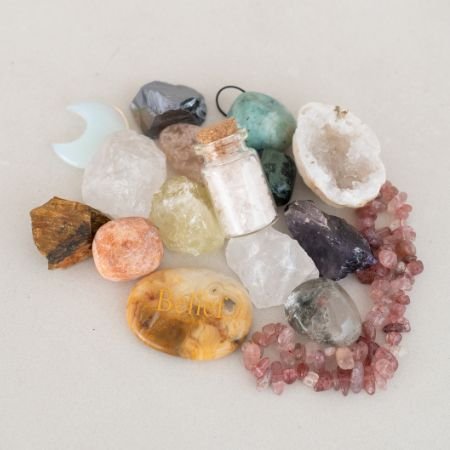
Start by noticing how the child responds to texture, weight, temperature and noise. A child who seeks pressure often settles with something heavier, such as a weighted lap pad or a dense stone. A child who is easily overwhelmed may prefer something light and smooth that can be put down the moment it becomes too much. Children who fidget tend to do well with objects that have moving parts, ridges or a satisfying click, while children who dislike mess will avoid anything sticky, crumbly or wet. None of these preferences is right or wrong, and they can change from day to day.
The Gratitude Rock is a stone that many families keep within reach at bedtime or during car journeys. The Kindness Crystals Pass-It-On Stone Set is three raw stones with a card that explains what to do next. It works well for children who like to hide, give or keep small objects.
Safety and durability deserve a proper look before you buy. Check the age recommendation on the packaging, keep anything small away from children under three, and inspect stones for chips or sharp edges. Raw crystals vary in shape, so hold each one before handing it over.
Accessibility is part of the same conversation. Children with limited hand strength may need larger, lighter objects.
Watch out: a calming tool that only works in one setting, such as a bedroom, is easy to leave behind, so choose something small enough to travel in a bag or pocket.
The table below pulls together the key points from this section on choosing calming tools for different sensory needs.
| Sensory preference | Suggested tool | Note |
|---|---|---|
| Seeks pressure | Weighted lap pad or dense stone | Heavier objects tend to help |
| Easily overwhelmed | Light, smooth object | Can be put down at once |
| Fidgets | Objects with ridges or a click | Moving parts keep hands busy |
| Dislikes mess | Dry, non-sticky objects | Avoid sticky, crumbly or wet items |
| Under three | Keep small parts away | Check age recommendation on packaging |
| Limited hand strength | Larger, lighter objects | Easier to grip and hold |
| Varies day to day | Keep a few options | Preferences can change |
Kindness Activities for Kids to Pair With Your Gift
A mindfulness gift lands better when it comes with a small action. Pair the gift with a simple plan. The Kindness Bucket List Kit is a printable kit with simple ideas to spread kindness. The 30-Day Kindness Challenge is a printable challenge of daily kind acts.
Kindness works best when it is specific. Instead of asking a child to "be kind", suggest one thing for today: give a compliment, share a snack, or thank a teacher. Let the child pick which act to do, and talk about how it felt afterwards.
Choosing Your Family's First Mindfulness Gift
If you are buying for a family for the first time, start small. A single affirmation card set or one printable is a low-risk choice. If it gets used, you can add a game or a calendar later.
The Kindness Advent Calendar in the Scandi Forest design gives children one kind act per day through the festive season, and is non-chocolate. The Crystal Advent Calendar, with 25 crystals and 25 affirmations, is aimed at women as a self-care gift.
Think about the people who will use the gift most often. A parent who keeps the cards on the kitchen table is more likely to make them part of the routine than a gift that sits in a cupboard. Choose something that fits into a normal day, and the habit will often follow.
Frequently Asked Questions
What are some good mindfulness-themed gifts for kids?
Good options are affirmation card decks, a gratitude rock for pocket or bedside use, and a family card game built around sharing stories. Sharing Kindness's Box of Confidence affirmation cards suit children aged 4 to 12 and cost 42.95. The Positive Mindset Game includes 120 question cards, a 21-day tracker and journaling prompts, and costs 59.95. Choose items your child can use alone and items the whole family can do together.
How do you choose a mindfulness gift for a child?
Start with the child's age and what they already enjoy. Younger children tend to respond to tactile objects and short activities, while children around 8 to 12 often prefer card games and journaling they can control. Check whether the gift is meant to be used alone or with family, and whether it suits your budget. A gift that gets used every week beats an expensive one that sits in a drawer.
What are the five basics of mindfulness?
The five basics commonly taught for children are noticing the breath, noticing the body, noticing sounds, noticing thoughts and noticing feelings, each approached with curiosity rather than judgement. In practice these fit naturally into family life, such as pausing to listen to the sounds in the car or checking in on how bodies feel before bed.
Can games help children learn empathy?
Games that invite children to share stories, feelings and gratitude give them practice at noticing how other people feel. The Positive Mindset Game is built around sharing stories of gratitude, fears and feelings, which makes it a practical way to build connection at the family table. Games work best when adults join in, answer the prompts themselves and keep the tone relaxed rather than corrective.
