


Last Updated: 8 November 2026
Quick Summary
Kindness gifts for teens experiencing stress work by shifting attention outward and giving a worried mind something concrete to do, such as passing on a stone, writing a card or filling a bag for someone else. Choose low-demand gifts the teen can use alone, with no correct way to use them and no claim to treat anything. Keep the gift separate from any talk about their stress, and let them decide what to do with it.
- Kindness gifts turn a vague feeling into an action rather than asking a teen to sit still.
- Our Kindness Crystals Pass-It-On Stone Set holds three raw stones, a velvet bag and three cards.
- Check sensory needs, accessibility and neurodiversity before buying, and ask a parent what the teen avoids.
- A handwritten note should be short, specific and free of advice, and left somewhere private.
- If stress affects sleep, school, eating or friendships for more than a couple of weeks, talk to your GP first.
Table of Contents
- Why a Kindness Gift Works When a Teen Is Stressed
- Stress Relief Gifts for Teens That Don't Feel Like Homework
- Thoughtful Gifts for Teens with Anxiety: What to Look For
- Kindness Activities for Teenagers That Build Calm and Connection
- Supportive Messages for a Stressed Teenager: What to Write
- Budget Tiers: Kindness Gifts from Pocket Money to Keepsake
- When a Gift Isn't Enough: Signs a Teen Needs More Support
- Choosing Your Kindness Gift with the Teen, Not Just for Them
- Frequently Asked Questions
Why a Kindness Gift Works When a Teen Is Stressed
Kindness gifts for teens experiencing stress work because they shift attention outward and give a worried mind something concrete to do.
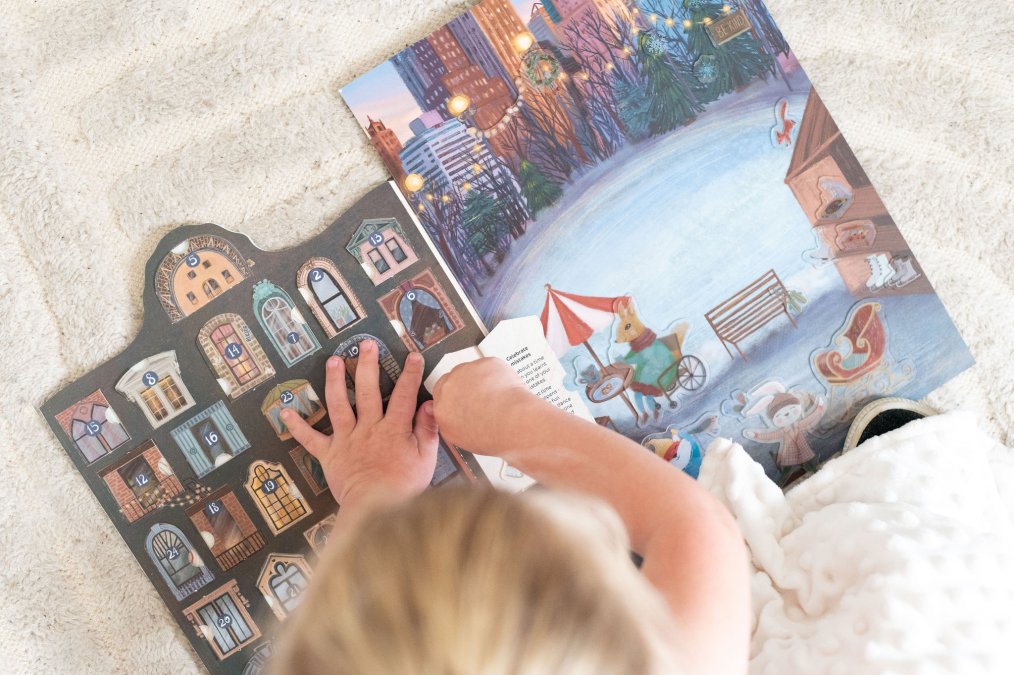
That is the opposite of what most stress relief products ask of a teenager. Fidget toys, weighted blankets and aromatherapy all say "sit still and calm down." Some teens find that patronising.
This guide from Sharing Kindness is for anyone buying for a teenager who is carrying a lot right now. We make kindness gifts, so we have a clear view of what works and what sits in a drawer.
Here is what most gift guides miss: a stressed teenager rarely needs another object. The NHS guidance on anxiety in children and young people makes the same point in clinical terms, listing talking, routine and small achievable steps ahead of anything you can buy.
Stress Relief Gifts for Teens That Don't Feel Like Homework
The best stress relief gifts for teens are the ones a teenager would use without being told to.
So we would skip the "coping skills workbook" aisle entirely. Instead, look for gifts where the calming effect is a by-product of something the teen actually wants to do.
Our Kindness Crystals Pass-It-On Stone Set is the clearest example we sell.
A common mistake is buying a gift that requires the teen to admit they need help. Kindness gifts avoid that because the premise is generosity, not coping.
Best for: a teen who rolls their eyes at anything that feels like self-help. Skip if: the teen has told you plainly that they do not want a gift about their stress.
Thoughtful Gifts for Teens with Anxiety: What to Look For
A gift that suits a teen with anxiety is usually low-demand, respects the teen's taste, and does not make the anxiety the centre of the gift. Get those three right and the specific product matters far less.
Use this checklist before you buy anything:
- The teen can use it alone, without an adult prompting them
- It has no "correct" way to use it, so there is nothing to get wrong
- It suits their actual interests, not a generic idea of a teenager
- It does not require them to discuss their feelings to get value from it
- It is small enough to keep in a school bag or on a bedside table
- It does not make a claim to treat or cure anything
Sensory considerations. Some teens cannot tolerate certain textures, scents or sounds. A scented candle, a bath product or a rough fabric can be a wasted gift, or worse, an unpleasant one.
Accessibility. Check that anything with small parts, fiddly clasps or tiny writing is usable by the teen.
Neurodiversity. Autistic teens and teens with ADHD often have strong, specific preferences about what they keep on a desk or in a bag. Respect those preferences rather than working around them.
Consent and labelling. A gift that arrives with a speech about the teen's stress can feel like a label.
That last point matters. If you want to understand which crystals are traditionally associated with calm and stress relief, our crystal gifts for teen stress relief guide walks through the options in plain terms. If you are weighing up gratitude-based gifts instead, the parent's guide to gratitude gifts for teenagers with anxiety covers how to introduce them without pressure.
Kindness Activities for Teenagers That Build Calm and Connection
Kindness activities for teenagers build calm because they interrupt rumination. A teen who is stuck in their own head has to look outward to do the activity, and that shift is the point.
These are the ones we suggest most often, and none of them need equipment:
- Pass a stone on. Leave a small stone or note somewhere a stranger will find it.
- Send one message. A short text to someone who helped them recently, no occasion needed.
- Do one unasked task. Empty the dishwasher, walk the dog, make a sibling a drink, without announcing it.
- Write a card to a teacher. Not a gift, just a sentence about something that teacher did well.
- Pick one thing to give away. A book, a hoodie, a game they have finished.
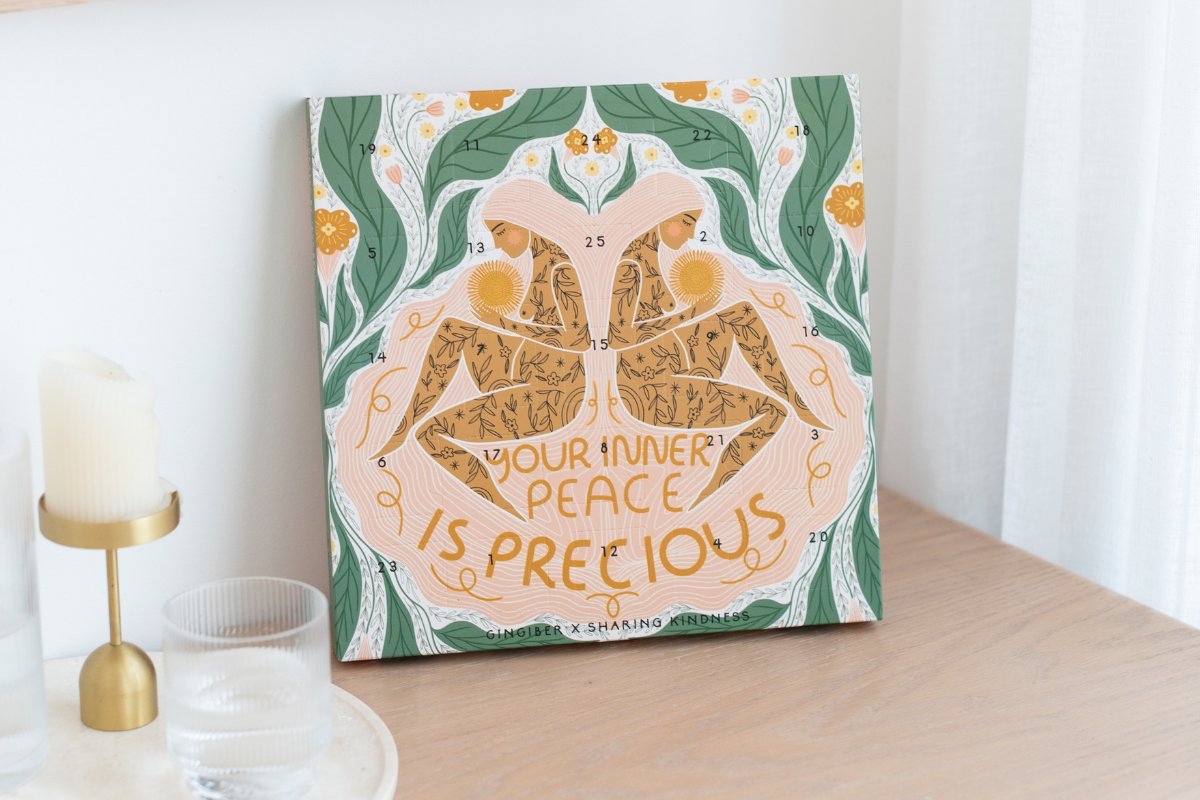
These activities often work well when the adult does them too. A teen is far more likely to try something they have watched you do without a lecture attached. Our guide to practising self-kindness daily has a simple routine you can start yourself first.
Supportive Messages for a Stressed Teenager: What to Write
Supportive messages for a stressed teenager should be short, specific and free of advice. The instinct to add "and here is what you should do" is the thing that makes a teen stop reading.
Write the note by hand if you can, keep it to two or three lines, and leave it somewhere private rather than handing it over. Here are templates you can copy:
"I noticed you have had a lot on. You do not need to tell me about it. I am here when you want to."
"You handled [specific thing] better than I would have at your age."
"No advice attached. Just wanted you to know I think you are doing well."
"If today is a rubbish day, that is allowed. Tea is on and I am not asking questions."
Avoid "you should try to relax," "it will all be fine," and anything that starts with "when I was your age." Those read as dismissal even when they are meant kindly.
Budget Tiers: Kindness Gifts from Pocket Money to Keepsake
Kindness gifts for teens experiencing stress do not need a big spend behind them.
Free and near-free gestures. These cost nothing but time and attention, and they often work better than a bought gift because there is no awkwardness about money.
Pocket money. Small, low-risk items work well here: a single polished stone, a pack of affirmation cards, a nice notebook, or a bag of their favourite tea.
Under twenty pounds. A small stone set with a drawstring bag and a couple of pass-it-on cards sits in this tier.
Mid-range. A boxed set of affirmation cards, a decent journal with a good pen, or a small piece of jewellery with a short message attached.
Keepsake. A larger crystal set, a personalised item, or a piece that marks a milestone.
| Tier | What you might choose | Best for |
|---|---|---|
| Free | Handwritten note, one chore taken over, a shared walk | Any teen, any budget |
| Pocket money | Single stone, affirmation cards, notebook, tea | A small just-because gift |
| Under twenty pounds | Small stone set with pass-it-on cards, printable cards | Sharing with friends, low-risk gifting |
| Mid-range | Boxed affirmation cards, journal and pen, small jewellery | A teen whose taste you know well |
| Keepsake | Larger crystal set, personalised piece | A close relationship or a milestone |
If you are ready to choose at a particular budget, you can shop crystal gift sets made for kindness and connection and see the full range in one place.
When a Gift Isn't Enough: Signs a Teen Needs More Support
A gift is not a substitute for support, and no product we sell should be treated as one. If a teenager's stress is affecting sleep, school, eating or friendships for more than a couple of weeks, that is a signal to involve someone qualified.
Watch out for these signs specifically:
- Withdrawing from friends and activities they used to enjoy
- Big changes in sleep or appetite
- Falling schoolwork or refusing to attend
- Talking about being a burden, or about not being here
- Physical symptoms with no medical cause, such as headaches or stomach pain
If any of these are present, talk to your GP first. The Royal Children's Hospital Melbourne fact sheet on anxiety in children is a calm, practical starting point for parents who are not sure whether what they are seeing is ordinary stress or something more. In the UK, the NHS guide to children's mental health services explains how to access help through a GP referral.
A gift can sit alongside that support. It cannot replace it.
Choosing Your Kindness Gift with the Teen, Not Just for Them
Choosing a kindness gift with the teenager, rather than for them, is the single biggest factor in whether it gets used. Preferences, sensory needs and consent all matter more than the product itself.
Some teens love crystals and will arrange them on a shelf. Others find them silly. Some cannot tolerate certain textures or scents, and a scented candle or bath product is a wasted gift for them.
The simplest approach is to ask one plain question: "I saw something I thought you might like, do you want to see it?" If the answer is no, believe it and pick something else. A gift that arrives with no pressure attached is far more likely to be kept.
If you are buying for a teenager who is carrying a lot, start small and start with something they can share.
Frequently Asked Questions
What is a good gift for a teenager who is experiencing stress?
A small, low-pressure kindness gift works best: something that offers comfort without demanding a reaction. A pass-it-on crystal stone set, a gratitude rock, or a box of affirmation cards gives a teen something to hold. Pair it with a handwritten note so the gift feels personal rather than generic. Avoid anything that feels like a self-improvement assignment, and let the teen choose whether to use it privately or share it.
How do I choose a thoughtful gift for a teen with anxiety?
Start with what the teen already likes, then add a calming element. Ask their parent or carer about sensory preferences, hobbies, and anything that might feel overwhelming. A teen who dislikes attention may prefer a small, private gift such as a gratitude rock or a printable affirmation card set, while a teen who enjoys crafting might like kindness activities for teenagers such as making cards for others. Consent matters: where possible, let the teen pick from two or three options rather than surprising them.
What should I write in a supportive message for a stressed teenager?
Keep it short, specific, and free of pressure. Name what you have noticed without diagnosing, for example: I can see this term has been full on, and I am here if you want to talk or just sit quietly. Avoid phrases that minimise the stress or demand a positive spin. Offer a concrete option such as a walk, a lift somewhere, or help with one task. End with something steady: no rush, no expectation to reply. The message should feel like support, not another thing to manage.
Can kindness activities really help a stressed teenager?
Small acts of kindness can give a teen a sense of agency and connection when other things feel out of control. Kindness activities are not a substitute for professional support. The routine and the conversation around the activity can matter most: choosing a stone to pass on, writing a card for someone, or playing a family game that opens up discussion. Keep the activity optional and low-key, and check in with the teen about whether it feels helpful rather than assuming it does.
