


Last Updated: November 7, 2026
Quick Summary
Gratitude gifts for teenagers with anxiety work best as gentle tools rather than cures, giving an anxious teen something concrete to hold onto when their thoughts spiral. Choose a guided journal with one prompt per page, a gratitude rock, or affirmation cards, and offer them as an invitation with no pressure. The teen should get the final say in what they receive.
- A guided gratitude journal should take two minutes, not twenty, with one prompt per page.
- Undated journals let a teen skip a week without feeling they have failed.
- The gratitude rock works by holding it, naming one grateful thing, then pocketing it.
- Offer a gift as an invitation, never as a fix for your teen's worry.
- Start a gift box with one anchor item, one comfort item and one connection item.
Table of Contents
- Why Gratitude Gifts Can Help Anxious Teenagers
- How to Choose an Anxiety Gift for Teenagers Without Pressure
- Gratitude Journal for Teens: Guided Options That Feel Doable
- Hands-On Gratitude Activities for Teenagers
- Mindfulness Gifts for Teens: Low-Key Ways to Build Calm
- Sensory and Comfort Gifts for Anxious Moments
- What to Avoid and How to Set Realistic Expectations
- Building a Gratitude Gift Box That Fits Your Teen
- Frequently Asked Questions
Why Gratitude Gifts Can Help Anxious Teenagers
Gratitude gifts for teenagers with anxiety work best as gentle tools, not cures. A small, tangible object that prompts a moment of thankfulness gives an anxious teen something concrete to hold onto when their thoughts spiral. For specific ideas, see these confidence-building gifts for anxious teenagers.
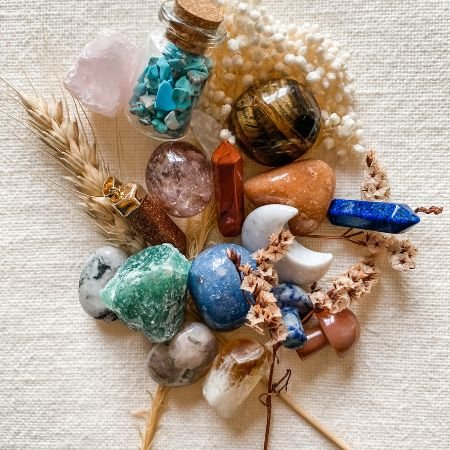
Anxiety in teenagers often shows up as looping thoughts: the same worry, replayed. Gratitude practice interrupts that loop by directing attention somewhere specific and manageable. It is not about forcing positivity or pretending hard things are fine. It is about training the brain to notice what is steady alongside what is difficult.
The key is how the gift arrives. Handed over with pressure ("this will fix your worry"), even a lovely object becomes another task to fail at.
That difference matters more than the gift itself.
How to Choose an Anxiety Gift for Teenagers Without Pressure
Choosing an anxiety gift for teenagers starts with one rule: the teen gets the final say. A gift chosen for them, not with them, often sits untouched. Ask what they would actually use, or buy two small options and let them keep one.
Watch for these pressure traps:
- The "you need this" framing. It signals they are broken and the gift is the repair.
- Over-explaining the benefits. A short "I thought you might like this" beats a lecture.
- Buying something ambitious. A blank 200-page journal can feel like homework. A single prompt card cannot.
- Ignoring sensory preferences. Scratchy fabrics, strong smells, or fiddly clasps can make a comfort item uncomfortable.
If your teen is private about their anxiety, a low-key gift works better than something obviously therapeutic. A smooth stone in a pocket or a set of cards on a shelf draws no attention. That privacy can be the whole point.
Gratitude Journal for Teens: Guided Options That Feel Doable
A gratitude journal for teens works when it takes two minutes, not twenty. Guided formats with one prompt per page suit anxious teenagers better than blank notebooks, because a blank page invites the inner critic in before the pen even moves. The keyword here is gratitude, so the journal should be built around noticing good things rather than tracking symptoms or scoring mood.
What to look for in a guided gratitude journal:
- One prompt per page or per spread. A single question such as "What went right today?" or "Who helped you this week?" removes the what-do-I-write barrier.
- Space for one sentence. A lined box the size of a sticky note is enough. Full pages invite overthinking.
- No daily streak requirement. Undated journals let a teen skip a week without feeling they have failed.
- Mixed formats. Some pages for writing, some for drawing, colouring, or ticking boxes. Teens who dislike writing can still take part.
- A gentle tone. Prompts that assume something good happened ("What made you smile?") work better than prompts that demand gratitude ("List five things you are grateful for").
Check the page count before buying. A shorter journal that takes two minutes a day is more likely to be finished than a long one that becomes a chore.
If you want a free starting point, our 3 Simple Ways to Teach Your Child About Gratitude comes with a printable 21-day gratitude journal, a low-pressure way to test the habit before buying anything.
Watch out: a journal handed over with the instruction to fill it in daily becomes homework. Offer it as an option and let your teen decide when and whether to use it.
Hands-On Gratitude Activities for Teenagers
Gratitude activities for teenagers land better when they involve doing something rather than discussing feelings. A physical object gives restless hands a job while the mind settles.
The gratitude rock is the simplest version. You hold it, name one thing you are grateful for, and put it back in your pocket. Our Gratitude Rock is designed to be carried in a pocket or kept on a desk, so that it becomes a cue: every time your hand finds it, you can pause for a moment.

Other hands-on options:
- Pass-it-on stones. A set of three small crystals with cards, kept, gifted, or hidden for someone else. The act of giving one away shifts attention outward, which anxious teens often find easier than focusing inward.
- Affirmation cards. Drawing one card a day gives a teen a single thought to carry, rather than a whole page of prompts.
- A family gratitude round at dinner. One thing each, no elaboration required. Short and repeatable beats deep and occasional.
Mindfulness Gifts for Teens: Low-Key Ways to Build Calm
Mindfulness gifts for teens should feel ordinary, not clinical. The best ones slot into a bedroom or school bag without announcing themselves as therapy.
Affirmation cards are the most versatile option here. Our Box of Confidence contains 40 hand-drawn affirmation cards with simple words and illustrations, built to support confidence and resilience. They are designed for ages 4 to 12, so for an older teenager, check whether the tone suits them first, or use them as a family resource rather than a solo one. The cards work as conversation starters: pull one at breakfast, talk about it for a minute, move on.

Other low-key mindfulness gifts:
- A mood lamp or salt lamp for a calmer bedroom at night.
- Aromatherapy only if your teen likes scent; strong smells can overwhelm some people.
- Colouring books and fine-liner pens, which give anxious hands something repetitive and absorbing to do.
- A short guided breathing card kept by the bed.
None of these require your teen to sit still and meditate. They offer a small sensory anchor instead.
Sensory and Comfort Gifts for Anxious Moments
Sensory comfort items help anxious teenagers settle their bodies first, which often calms the mind second.
| Comfort item | How it helps | Best for | Watch out for |
|---|---|---|---|
| Fidget ring or worry ring | Gives restless hands a small, repeatable movement | School-friendly fidgeting, teens who dislike being noticed | Check school rules on jewellery; some rings are too tight for swollen fingers |
| Weighted blanket | Deep pressure can feel grounding for some people | Wind-down at night, teens who like firm pressure | Too warm for some; not suitable for very young children or anyone who cannot remove it easily |
| Soft socks or a throw | Texture and warmth as a sensory anchor | Grounding at home, teens with touch-seeking preferences | Texture sensitivity; seams and labels can irritate |
| Fidget toys | Keeps hands busy during homework or waiting | Focus, restlessness, teens who pick at skin or nails | Small parts, noise, and school bans on certain items |
| Pillows and cushions | Builds a calm corner or reading nook | Bedroom wind-down, teens who like to burrow | Storage space; too many cushions can feel cluttered |
| Chewable jewellery or pencil toppers | Oral sensory input for teens who chew | Teens with oral sensory needs | Check with an occupational therapist first if your teen has complex needs |
Fidget toys and worry items are the most portable. A ring or a smooth stone can be used in class without drawing attention, which matters for teens who dislike being singled out.
Age and identity considerations: younger teenagers often prefer brightly coloured fidgets and plush textures, while older teens may want something that looks like an ordinary accessory, such as a plain ring or a neutral-coloured throw.
Accessibility and budget: not every comfort item needs to be bought.
Watch out: presenting a comfort item as a treatment for anxiety can make a teen feel monitored. Offer it as an ordinary object for their room or bag and let them decide whether it helps.
What to Avoid and How to Set Realistic Expectations
Be honest about what a gift can and cannot do. A gratitude journal will not treat anxiety. It can support a teen's coping routine alongside proper help, but it is not a substitute for professional care. If your teen's anxiety is affecting school, sleep, or eating, speak to your GP about the right support (the NHS).
Watch out: framing a gift as a fix ("this will stop your worrying") sets your teen up to feel like they failed when the worry returns. That backfires. Present it as one small tool among many.
What to avoid:
- Gifts that require performance. Anything that asks your teen to report back on their gratitude creates pressure.
- Guilt-based framing. "Other kids would be grateful for this" is the opposite of the point.
- Overpriced sets. A large, expensive kit raises the stakes. Start small.
- Ignoring identity and access needs. Consider your teen's sensory profile, interests, and any accessibility needs before choosing.
Set expectations low and kind: the goal is one calm moment, repeated occasionally. That is enough.
Building a Gratitude Gift Box That Fits Your Teen
A gratitude gift box works best when it is built around one person, not a generic theme. Start with one anchor item, add one comfort item, and finish with one thing that invites connection rather than solitude.
Our Build Your Bundle option lets you put together a personalised box from our feel-good products, so you can pair a gratitude rock with affirmation cards or a pass-it-on stone set without buying anything your teen will not use.
A simple formula to follow:
- The anchor. A gratitude rock or a journal, something with a clear daily cue.
- The comfort. A soft item, a fidget ring, or a small crystal set.
- The connection. A card you write yourself, or a pass-it-on stone your teen can give away.
Wrap it without ceremony. Hand it over with a sentence, not a speech: "I saw this and thought of you. No pressure." Then leave it with them.
Anxious teenagers rarely ask for help in obvious ways, and a gift will not replace the support they need.
Frequently Asked Questions
What are thoughtful gratitude gifts for a teenager with anxiety?
Look for gifts that offer a low-pressure way to notice good moments without demanding a big emotional response. A guided gratitude journal with short prompts, a small pocket stone like a gratitude rock, or a set of affirmation cards can work well. The best choice is one your teen can pick up for two minutes and put down without guilt. Pair it with a note that says there is no expectation to use it daily.
How can gratitude activities for teenagers support anxiety?
Gratitude activities give anxious teens a concrete, short task to redirect attention away from worry loops. Writing down one specific good thing, or passing a small kindness crystal to a friend, creates a moment of focus that is manageable even on a hard day. Keep sessions to a few minutes and let your teen choose the format. The aim is a small shift in attention, not a cure, and it works best alongside other support.
Are gratitude journals helpful for anxious teenagers?
They can be, when the format is short and flexible. A gratitude journal for teens with one-line prompts or space for doodling tends to get used more than a blank notebook that feels like homework. Skip rigid rules about writing every day. Some teens prefer listing three things on a sticky note instead. If your teen finds writing stressful, try a prompt-based card deck or a verbal check-in instead.
What should I avoid giving a teenager with anxiety?
Avoid gifts that imply they need fixing, such as books framed as self-help for their problems, or items that create pressure to perform gratitude daily. Steer clear of anything that feels childish for their age, and check sensory preferences before buying scented candles or textured items. Also avoid surprise gifts that put them on the spot in front of others. Offer the gift privately and keep the language casual.
