


Last Updated: 4 November 2026
Quick Summary
Empathy role play is a practical way to help children understand how someone else feels by acting out everyday situations, such as a friend dropping their ice cream or being left out. Children build empathy through practice, so a few minutes of role play a few times a week can help more than a single talk about being kind.
- Pick a simple everyday scenario and play the first version yourself, naming the feelings out loud.
- Swap roles so your child plays both the upset character and the one who helps.
- Keep sessions to five or ten minutes so they stay playful.
- Ask one open question after each round, such as how the other person felt.
- Accept any answer and build on it rather than correcting it mid-scene.
Table of Contents
- Why Empathy Role Play Works for Young Children
- How to Set Up an Empathy Role Play at Home
- Empathy Scenarios for Kids Aged 4 to 6
- Empathy Activities for Children Aged 7 to 12
- Empathy Games for Kids Using Books and Cards
- Role Play Ideas for Siblings and Neurodivergent Children
- Teaching Empathy to Children Through Everyday Conversations
- Start Your First Empathy Role Play This Week
- Frequently Asked Questions
Why Empathy Role Play Works for Young Children
Empathy role play is one of the most practical ways to help children understand how someone else feels. Instead of telling a child to "be kind," you let them step into a situation and try on another person's point of view. Children learn empathy by practising it, not by being lectured about it (What Is SEL?).
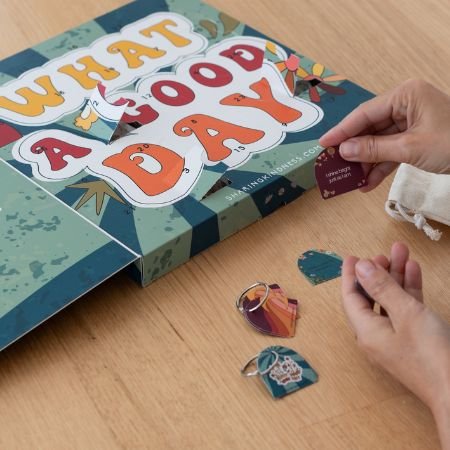
Role play suits young children because they think through action and imagination. A four-year-old may not yet grasp why a friend felt left out at the playground. Acting it out, with a teddy bear or a sibling as the friend, makes that feeling concrete. Shared pretend play also gives you a low-pressure space to talk about emotions without the child feeling judged.
Empathy sits at the heart of social and emotional learning, and it develops through repeated, everyday practice. Read about how positive mindset games support social and emotional learning in children. Role play gives that practice a structure. A few minutes a few times a week can do more than one big conversation.
How to Set Up an Empathy Role Play at Home
You don't need props or a plan. Pick a simple, everyday scenario, such as a friend who dropped their ice cream or a brother who got left out of a game. Play the first version yourself, pausing to name the feelings out loud: "I think she's feeling sad because her ice cream fell."
Keep the rules light. Swap roles so your child plays both the one who is upset and the one who helps. After each round, ask one open question, like "How do you think they felt?" or "What could help them feel better?" Accept any answer and build on it rather than correcting it.
Keep sessions to five or ten minutes so they stay playful. If your child loses interest, end on a positive note and try again another day.
Empathy Scenarios for Kids Aged 4 to 6
Children at this age need scenarios they can picture in a single scene and act out in two or three exchanges. The five below are written as short scripts so you can read the adult part aloud and let your child fill in the child part. Swap roles after each round so your child tries both the upset character and the helper.
1. The dropped ice cream Setup: a teddy bear has dropped its ice cream on the pavement. Adult: "Oh no, my ice cream is on the floor.
2. The new kid at lunch Setup: a doll sits alone at a table with a lunchbox. Adult: "I don't know anyone here.
3. The unfair turn on the swing Setup: two toys want the same swing. Adult (as the second toy): "You've been on it for ages.
4. The scary thunder Setup: a soft toy is hiding under a blanket during a storm. Adult (as the toy): "That noise is really loud.
5. The missed birthday party Setup: a puppet did not get an invitation to a classmate's party. Adult (as the puppet): "Everyone was talking about the party and I wasn't invited." Child: responds.
Keep the language simple and let the child lead the action. Puppets and soft toys help because a child can speak through a character, which often makes big feelings easier to name.
For children who find open-ended play hard, add one visual cue per scenario, such as a picture of a sad face on the bear, and keep each round to under two minutes.
The five scenarios above follow a simple pattern, so here is a quick reference of each one and what your child is asked to do.
| Scenario | Child's task | Follow-up question |
|---|---|---|
| The dropped ice cream | Says or does something to help | What could you say to make the bear feel a bit better? |
| The new kid at lunch | Invites the doll to join them | How did the doll feel before and after you spoke? |
| The unfair turn on the swing | Suggests a solution, such as counting to twenty | What could you do so both toys get a turn? |
| The scary thunder | Comforts the toy | What helps you feel safe when you are frightened? |
| The missed birthday party | Responds to the puppet | How would you feel, and how could you include them another day? |
Empathy Activities for Children Aged 7 to 12
Older children can handle more complex situations and enjoy a little more independence in the role play. At this age, scenarios can involve group dynamics, online messages, or fairness at school.
Try these with children in this age group:
- The group project: One child does most of the work and feels unrecognised. Act out how each person might feel.
- The unkind message: A friend's joke in a group chat hurts someone's feelings. Discuss what a kind response looks like.
- The sports loss: A teammate misses the winning goal and is blamed. Role play the reaction from the teammate and from the team.
- The changed plans: A best friend cancels plans at the last minute. Explore both sides before deciding how to respond.
Ask children to explain the other character's perspective in their own words. This "perspective-taking" step is where empathy grows most. You can also ask them what they would do differently next time, which builds self-regulation as well.
Empathy Games for Kids Using Books and Cards
Books and cards give role play a clear starting point. Choose a picture book with a character who faces a problem, pause before the ending, and ask your child how the character feels and what they might do next. Then act out an alternative ending together.
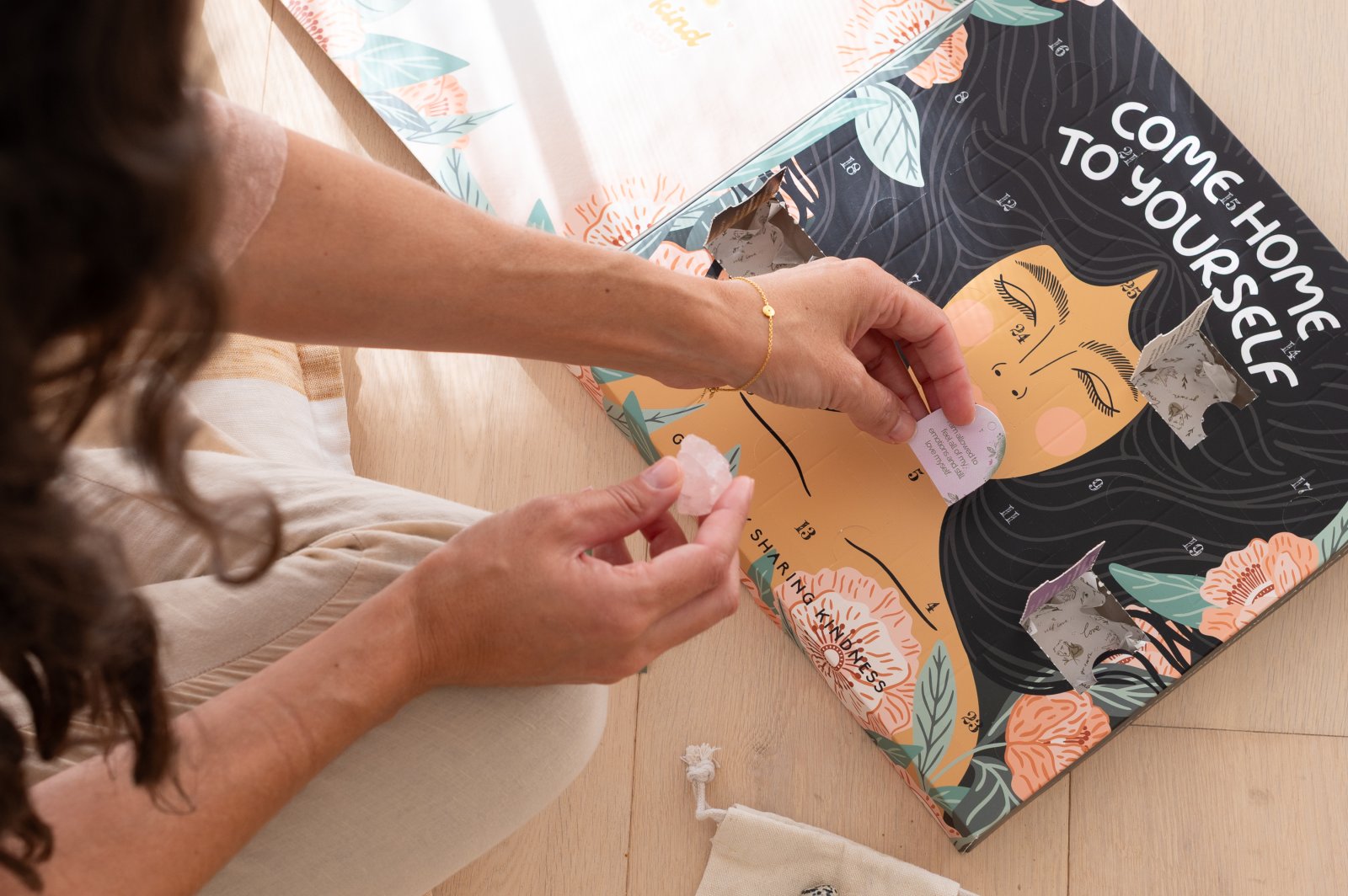
Card-based games work the same way. Our Positive Mindset Game is a family card game built around sharing stories of gratitude, fears and feelings. It is designed for families, so everyone can take a turn.

For younger children, the Box of Confidence affirmation cards offer simple, hand-drawn characters that children can relate to easily. Read a card together, then ask, "When might someone need to hear this?"

If you prefer printables, the Printable Affirmation Cards are a low-cost option to use on the go or print at home.
Role Play Ideas for Siblings and Neurodivergent Children
Most book-list articles stop at reading. This section turns the same scenarios into scripts for the two groups who practise empathy most often at home and get the least tailored advice: siblings, and children who are autistic or have ADHD.
Sibling role plays
Sibling conflict is where empathy gets tested daily, and swapping roles is the quickest way to break a stalemate without a parent taking sides. Try these three scripts.
The shared toy Setup: one child wants the toy the other is holding. Child A: "I had it first." Child B: "But I want a turn now." Adult: pause the scene and ask each child to say what the other one wants. Then swap roles and replay it.
The cancelled film night Setup: an older sibling changes the film at the last minute. Child A: "You always pick. I never get to choose." Child B: "But your films are boring." Adult: ask each child to name one thing the other might be feeling, then swap.
The blamed sibling Setup: something is broken and one child is blamed without proof. Child A: "It wasn't me." Child B: "It was definitely you." Adult: ask the accusing child to act out being wrongly blamed, then swap back. Follow-up question: "What would you want someone to say to you if you were blamed unfairly?"
A common pattern is that the child who is louder wins the scene. Watch out: if one sibling always plays the victim role, swap parts deliberately so each child experiences both sides.
Neurodivergent-friendly adaptations
Autistic and ADHD children often process empathy differently rather than lacking it. Many find open-ended pretend play harder than structured scenes, and they may need feelings named explicitly rather than hinted at. The adjustments below keep the same scenarios but make them predictable.
- Use visual cards. Put a picture of each feeling on the table so the child can point rather than find the word.
- Signal the start and end. Say "scene starts now" and "scene over" so the child knows when the role play begins and stops.
- Name one feeling at a time. "The bear is sad" is easier to work with than "the bear is sad and worried and cross".
- Give thinking time. Count to five silently before prompting an answer.
- Offer a script card. Write two or three possible replies on a card so the child can choose rather than invent.
- Keep rounds short. Two minutes per round is often enough for a child with ADHD to stay engaged.
- Let the child lead the pace. If they want to repeat the same scene five times, that repetition is the practice.
These adaptations also suit any child who finds big feelings overwhelming, so they are worth keeping in the toolkit even if your child is not neurodivergent.
Our Kindness Bucket List Kit is a printable kit that can be used at home or in the classroom. For a hands-on, shareable option, see the Pass-It-On Kindness Stones guide.
Teaching Empathy to Children Through Everyday Conversations
Most empathy learning happens in ordinary moments, not formal sessions. When your child comes home upset, reflect the feeling back: "That sounds really disappointing." Then ask what they think their friend might have felt in the same moment.
Use books, shows and news stories as conversation starters. Ask, "Why do you think that character did that?" These small questions build emotional vocabulary and help children notice others' feelings more often. As children practise naming a character’s feelings and considering their reasons, emotional intelligence activities can help them carry that same curiosity into everyday interactions.
A Kindness Advent Calendar offers a small act of kindness each day that can prompt these conversations. Each day offers a small act to try, and you can talk about how the act felt for the giver and the receiver.
Start Your First Empathy Role Play This Week
Pick one scenario from this article and try it with your child this week. Keep it to five minutes, swap roles, and ask one open question at the end. You don't need to get it right; the conversation is the point.
If you'd like a ready-made starting point, browse the Positive Mindset Game or the Box of Confidence cards from Sharing Kindness. Both are designed to turn everyday moments into meaningful conversations about feelings and kindness.
Frequently Asked Questions
What are some good books to teach kids empathy?
Picture books that show characters noticing each other's feelings work well for young children. Choose stories where a character feels left out, nervous or sad, then pause after reading to ask how the character might feel and what someone could do to help. Books work best when you talk about them rather than simply reading to the end, so pick titles with clear emotional moments and plenty of room for your child to share their own ideas.
How can role play help children practise empathy?
Role play lets children try on another person's point of view in a safe setting. Acting out a situation, such as a friend being left out at lunch, gives children the chance to name feelings and test responses before they meet the situation in real life. Keep scenarios short, swap roles so your child plays both sides, and finish by asking what the other person might have needed.
What should adults do after an empathy role-play activity?
Keep the debrief short and curious. Ask your child what they noticed about the other person's face or voice, which part felt hardest and what they would try next time. Avoid correcting answers or turning the conversation into a lecture. If your child struggles, offer a sentence starter such as 'That must have felt...' and let them practise it aloud.
