


Last Updated: October 23, 2026
Quick Summary
The best non-materialistic gifts for kids are experiences, shared rituals and small responsibilities rather than objects. Match the gift to the child's age, make promises concrete with a handmade voucher, and remember that free gifts such as coupon books and letters often get kept for years.
- Match gifts to developmental stage: ages 4 to 6 want play and rituals, ages 10 to 12 want honesty.
- A handmade voucher for a specific day out beats a vague promise of a trip.
- Give small responsibilities a title, such as keeper of the kindness jar.
- A boring weekly ritual beats an exciting outing done only once.
- The best free gift is specific, such as building sandcastles and eating chips.
Table of Contents
- Why Non-Materialistic Gifts Beat More Stuff
- How to Choose a Non-Materialistic Gift by Age
- Experience Gifts for Kids: Memories Over Wrapping Paper
- Kindness Activities for Kids That Double as Gifts
- Free Gifts for Kids: What Costs Nothing but Means Everything
- Activities to Do with Kids: Give Your Time, Not Your Wallet
- Gifts That Build Confidence: Our Top Picks
- Frequently Asked Questions
Why Non-Materialistic Gifts Beat More Stuff
Ask a child what they remember from last Christmas and the answer is rarely the toy. It's the beach day, the biscuit baking, the treasure hunt around the garden. This guide from Sharing Kindness looks at the best non-materialistic gifts for kids, and why they so often outlast anything wrapped in paper. We've inspired over 1 million acts of kindness since 2019, and the pattern holds: children keep the memories and forget the plastic.
The case for experiences and values over stuff is straightforward. A toy has a short shelf life before it joins the pile in the spare room. A shared ritual, a responsibility, or a kindness habit becomes part of how a child sees themselves. The Raising Children Network's guidance on play and development makes the same point: children learn most through doing things with the people they love, not through acquiring objects.
Below, we'll show you how to pick a gift by age, which experience gifts for kids actually land, and how free gifts for kids can mean more than anything you buy. But first, here's what most gift guides get wrong: they assume a gift has to be a thing.
How to Choose a Non-Materialistic Gift by Age
Match the gift to the developmental stage, not the price tag. A four-year-old and a ten-year-old need very different things from a present, and a gift that ignores that will sit untouched.
The quick version:
- Ages 4 to 6: play, stories and simple rituals
- Ages 7 to 9: a bit of independence and small responsibilities
- Ages 10 to 12: honesty and respect for their growing scepticism
A common mistake is buying one gift for siblings of different ages and expecting it to work for both. It rarely does. Pick for the child in front of you.
Ages 4 to 6: Play, Stories and Simple Rituals
Little ones want repetition and connection. A daily ritual, like lighting a candle at dinner or choosing a bedtime story together, gives them something to anticipate. The gift is the predictability.
At this age, a shared game works better than a solo toy. Something with simple prompts and a bit of silliness lets them practise naming feelings without it feeling like a lesson. Keep it short, keep it warm, and let them lead.
Ages 7 to 9: Independence and Small Responsibilities
Seven to nine is when children start to want a job of their own. A small responsibility, like caring for a plant or being in charge of the family's kindness jar, gives them a sense of capability.
Ages 10 to 12: Respect Their Growing Scepticism
Older kids can smell a lesson from across the room. If a gift feels like homework, it's dead on arrival. Be straight with them: tell them it's about trying something together, not about improving them.
Let them choose the activity or set the rules. A ten-year-old who picks the family's Sunday adventure will defend that choice. One who's handed a "confidence-building exercise" will roll their eyes.
Experience Gifts for Kids: Memories Over Wrapping Paper
Experience gifts for kids are the clearest swap for stuff. A ticket to something, a planned day out, or a promise of a monthly adventure all create a memory instead of clutter.
The trick is to make the promise concrete. "A trip to the zoo" is vague and easy to forget. A handmade voucher for "one zoo day, you choose the date, we get hot chips after" is a gift they can hold and count down to.
Good experience gifts for kids include:
- A monthly one-on-one outing with a parent or grandparent
- A voucher for a day out they choose themselves
- A season of a class or club they're curious about
- A "yes day" where they plan the schedule within agreed limits
If you're buying for a grandchild, an experience gift also gives you something better than a receipt: time with them.
Kindness Activities for Kids That Double as Gifts
Kindness activities for kids work as gifts because they turn giving into something the child does, not something they receive. That shift is the whole point.
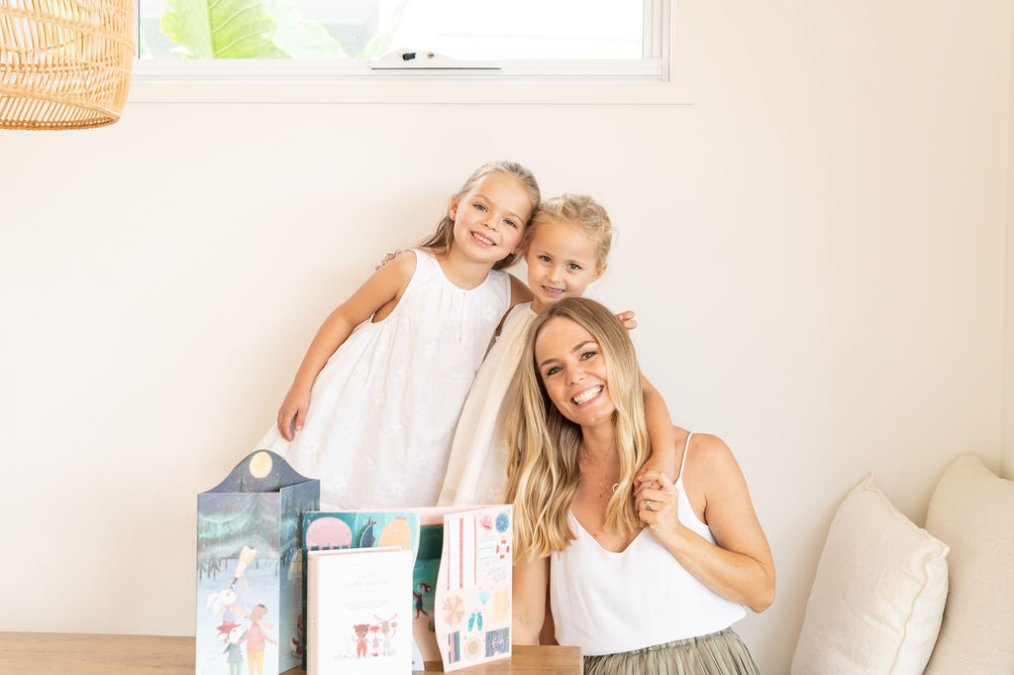
Our Kindness Bucket List Kit is a printable list of simple kind acts a child can tick off, and it's designed to be framed, laminated, or turned into a school project. Pair it with a pen and a spot on the fridge and you've got a gift that keeps going. Our 30-Day Kindness Challenge works the same way over a month.
Kindness Advent Calendar | Scandi Forest →

The Australian Government's Student Wellbeing Hub notes that social and emotional skills, including empathy, are built through practice and modelling rather than instruction. That's exactly what a kindness habit gives a child: repetition, not a lecture.
Free Gifts for Kids: What Costs Nothing but Means Everything
Free gifts for kids can carry more weight than anything bought. A jar of "date vouchers", a playlist made for them, a letter, or a coupon book of things you'll do together all cost nothing and get kept for years.
The reason they work is simple. They're personal. A child can tell the difference between something chosen for them and something ordered in a hurry.
Ideas that cost nothing:
- A coupon book of one-on-one time, written in your own handwriting
- A "memory jar" with notes of favourite moments from the year
- A playlist of songs that remind you of them
- A letter telling them what you admire about them, dated and signed
The best free gift is specific. "A day with Dad" is nice. "A day with Dad where we build the biggest sandcastle and eat chips on the beach" is a gift they'll talk about for years.
Activities to Do with Kids: Give Your Time, Not Your Wallet
Activities to do with kids are the quiet workhorse of non-materialistic gifting. They don't need planning committees or a budget. They need you, present, for an hour.
The Raising Children Network's advice on connecting with your child puts shared time at the centre of healthy development. That's not a soft claim. It's the thing children consistently name when asked what matters.
Try these:
- A weekly walk with no destination and no phones
- Cooking one meal together each week, their choice
- A board game night where the winner picks the next one
- A "project" you build together over a month, like a veggie patch
What most guides miss is that the activity matters far less than the consistency. A boring ritual done every week beats an exciting outing done once.
Gifts That Build Confidence: Our Top Picks
Gifts that build confidence give a child language for their feelings and a reason to believe in themselves. That's the thread running through everything we make at Sharing Kindness.
Our Box of Confidence is a set of 40 hand-drawn affirmation cards for kids aged 4 to 12, made to spark real conversations rather than highlight-reel moments. For families, the Positive Mindset Game uses story prompts and action cards to get everyone talking about gratitude, fears and feelings. And for a smaller, shareable gift, the Kindness Crystals pass-it-on set gives a child three little stones to keep, give away, or hide for someone else to find.


We're not claiming these replace the harder work of parenting. They're tools for the conversations you'd have anyway, with a bit of help.
| Gift | Best For | What It Does | Price |
|---|---|---|---|
| Box of Confidence | Ages 4 to 12 | 40 affirmation cards for self-kindness and resilience | $42.95 |
| Positive Mindset Game | Whole family | Story and action cards for gratitude and connection | $59.95 |
| Kindness Advent Calendar | December rituals | A daily act of kindness instead of chocolate | $36.95 |
| Kindness Crystals | Small, shareable gift | Three stones to keep, give or hide | $9.95 |
| Kindness Bucket List Kit | Kids and classrooms | Printable list of kind acts to tick off | $2.95 |
If your child is glued to a screen and you're wondering whether any of this will land, start small. One card at breakfast. One question at dinner. The goal isn't a perfect kid. It's a few more conversations than you had last month.
Frequently Asked Questions
What are the best non-materialistic gifts for kids?
The strongest options are things that create a shared moment rather than adding to the toy pile. Experience gifts like a day out together, a printable kindness challenge, or a family game night all work well. So do tools that build confidence, such as affirmation cards or a gratitude rock. The common thread is that the child gets your attention and a new way to think, not another object to tidy away.
What can you give a child who already has too many toys?
Skip the toy aisle entirely. Give a planned outing, a printable activity kit, or a small keepsake with a purpose, like a set of kindness crystals to share with others. You could also gift a family game that gets everyone talking. These take up no shelf space and give the child something to do rather than something to store.
Are kindness activities a good gift for children?
Yes, particularly for kids aged 4 to 12. A kindness advent calendar or a printable 30-day kindness challenge turns giving into something the child does rather than receives. It gives them a daily prompt, a sense of purpose and a reason to talk about how helping others felt. Many parents find it opens conversations that a wrapped present never would.
How do I choose a non-toy gift for a child?
Match the gift to the child's age and temperament first. Younger kids respond to stories, rituals and hands-on play. Older kids, especially around 10 to 12, need something that does not feel babyish or forced. A game with real questions, a printable challenge they can tick off, or an experience they choose themselves tends to land better than anything that looks like a lesson.
Choosing a non-materialistic gift asks more of us than clicking "add to cart" ever will. It asks for time, attention and a little honesty about what our kids actually need. At Sharing Kindness, we build tools for exactly that: affirmation cards that open conversations, a game that gets families talking, and kindness calendars that turn December into something worth remembering. Add to cart and give a gift that keeps giving.
