


Last Updated: November 22, 2026
Quick Summary
The best ways to build a strong bond with your grandchildren are to create a regular ritual, do hands-on activities together, ask open questions, keep in touch across distance, and respect their independence as they grow. Simple, consistent time spent together matters more than grand gestures or expensive outings.
- Keep a standing weekly moment on the same day and time, so the child can count on it.
- Choose hands-on activities such as colouring, baking or building, which make conversation feel easier.
- Ask for stories, opinions or feelings rather than questions with yes or no answers.
- Keep calls short and regular, since ten minutes every Thursday beats an hour once a year.
- Let teenagers set the pace of conversation and listen without lecturing.
Table of Contents
- Why the Grandparent Bond Is Worth Working On
- 1. Make Regular Time Your Own Ritual
- 2. Try Activities to Do With Grandchildren That Use Their Hands
- 3. Ask Questions That Invite Real Answers
- 4. Keep the Connection Going Over Distance
- 5. Respect Their Independence, Especially as Teens Arrive
- Starting Your Own Grandchild Connection This Week
- Frequently Asked Questions
Why the Grandparent Bond Is Worth Working On
Grandchildren who feel close to their grandparents tend to carry that warmth into the rest of their lives. A grandparent is often the one adult who has time, patience and no daily rules to enforce. That freedom makes the relationship easy to build and easy to let slide.
At Sharing Kindness, we spend a lot of time thinking about how children learn to feel good about themselves and about others. The grandparent relationship turns out to be a quiet but powerful place for that to happen. The five ways below are simple, and none of them need money or a long drive to work.
1. Make Regular Time Your Own Ritual
A standing weekly moment does more for a grandchild than an occasional big outing. It tells them that they can count on you, and that the time is theirs.
Choose something small and repeatable: a Sunday phone call, a Wednesday morning walk to the park, or a monthly baking afternoon. Keep the same day and time where you can, so the ritual becomes something the child looks forward to.
Watch out: a ritual that gets cancelled three times in a row teaches the child that your plans are optional. Protect the slot, and if you must move it, tell them in advance and reschedule it together.
Best for: grandparents who see their grandchildren every week or two.
The table below sets out the five ways to build a bond with your grandchildren, with the main practical point for each.
| Way | Best for | Key point |
|---|---|---|
| 1. Regular ritual | Grandparents who see grandchildren every week or two | Keep the same day and time |
| 2. Hands-on activities | Breaking the ice with any age | Takes pressure off conversation |
| 3. Open questions | Getting real answers | Ask for stories, opinions or feelings |
| 4. Distance contact | Grandparents living far away | Short, regular calls beat rare long ones |
| 5. Respecting independence | Grandparents of teenagers | Let them set the pace of conversation |
2. Try Activities to Do With Grandchildren That Use Their Hands
Hands-on activities give you something to do together, which takes the pressure off conversation. Many children open up far more while colouring in, cooking or building than they ever would sitting across a table from an adult.
Simple ideas that work across ages include:
- Painting or colouring with washable paints on a kitchen table
- Making simple biscuits or pizza bases and decorating them
- Building with blocks, or assembling a jigsaw puzzle over several visits
3. Ask Questions That Invite Real Answers
"How was school?" usually gets "Fine." Questions that ask for a story, an opinion or a feeling tend to get a real response, and that is where a bond starts to form.
Try questions like "What was the funniest thing that happened this week?" or "What is something you're looking forward to?" For older children, ask what they think about something in the news or a film they watched. Then listen without rushing to fix or advise.
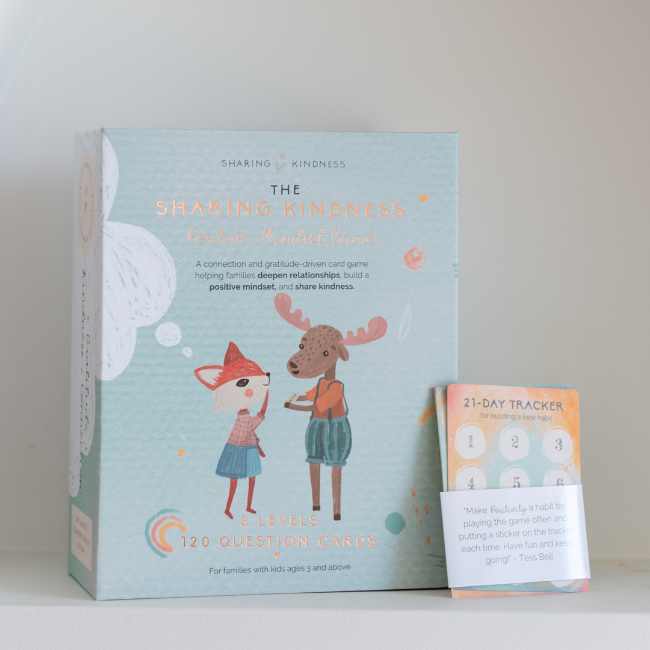
Our Positive Mindset Game was built around exactly this idea. It uses prompt cards inspired by sharing stories of gratitude, fears and feelings, so the conversation comes from the cards rather than from pressure.
Questions to ask grandchildren that tend to work well:
- What made you laugh today?
- If you could visit any place, where would you go?
- What is one thing you're proud of this month?
4. Keep the Connection Going Over Distance
Many grandparents live hours or countries away. Distance makes the relationship harder to maintain, but it does not have to make it thin.
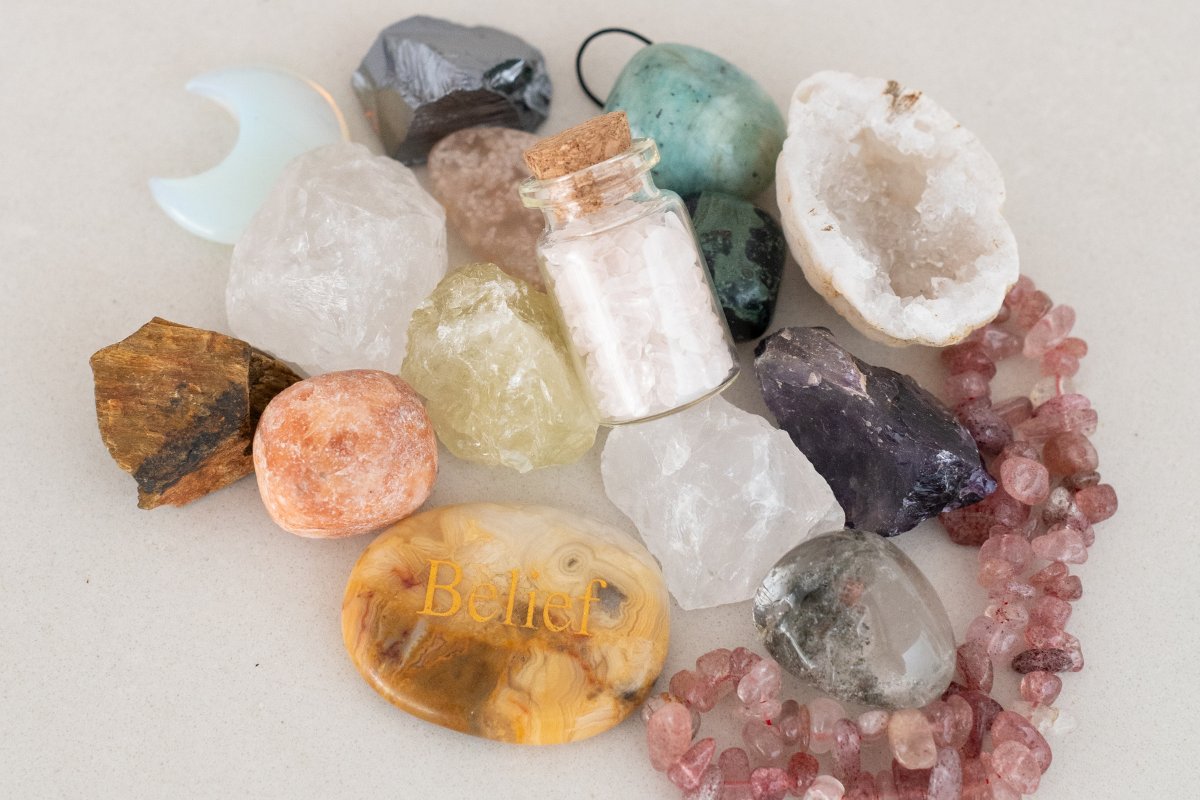
Long-distance grandparenting ideas that tend to work include a shared picture book that you both read on video calls, a letter or postcard that arrives on a fixed day each month, or a small parcel with a project inside. A small stone kept on the desk or bedside table can prompt a daily thought of something to be thankful for, which gives you both something to talk about on the next call.
Keep calls short and regular rather than long and rare. Ten minutes every Thursday usually builds more closeness than an hour once a year.
5. Respect Their Independence, Especially as Teens Arrive
Teenagers want to be trusted, and they want to choose how much of their life they share. A grandparent who pushes for constant updates often gets less contact, not more.
Give them room. Let them set the pace of conversation, and be the adult who listens without lecturing. Ask about the things they care about, even when those things seem unfamiliar to you. Show interest in their music, their friends or their plans, and resist the urge to correct every opinion.
Grandparenting teenagers well often means being the safe person they can talk to when their parents feel like too much. That role comes from patience, not from advice.
Starting Your Own Grandchild Connection This Week
Pick one of the five ideas and start small. A standing phone call, one craft session or one open question at dinner is enough to begin. Relationships with grandchildren are built through many ordinary moments, not a single big gesture.
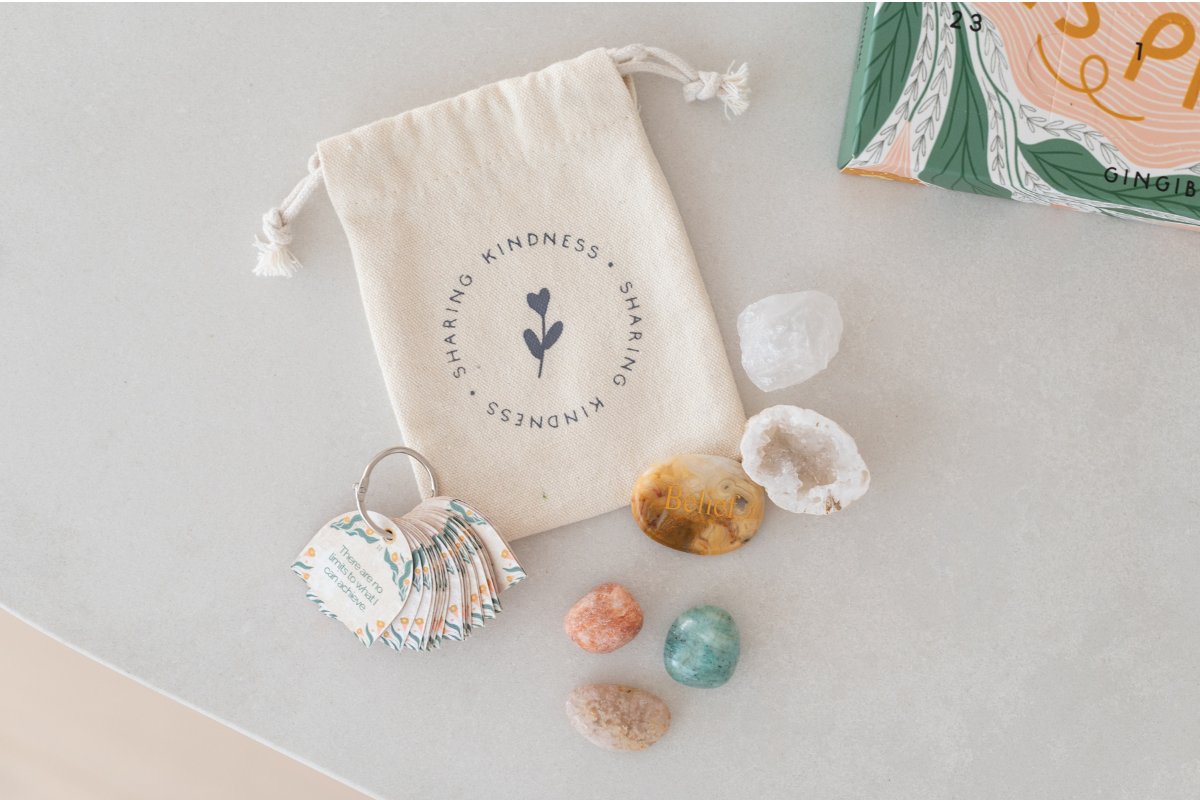
If you want a starting point, our Positive Mindset Game gives you 120 question prompt cards, stickers, a gratitude moon rock and journaling prompts to share. It is built for families who want more real conversation. Find it at sharingkindness.com.
Frequently Asked Questions
How can grandparents build a strong relationship with their grandchildren?
Start with small, regular contact that becomes a predictable part of the week, such as a weekly phone call, a shared story, or a standing visit. Consistency matters more than grand gestures. Let the grandchild lead some of the conversation and choose some of the activities, because that tells them their interests count. Being curious about their world, whether that is a favourite game, a school subject or a band they love, builds trust over time. Expect the relationship to grow slowly, and keep showing up even when a visit feels quiet.
What activities help grandparents bond with grandchildren?
Hands-on activities work well because they give you something to do together, which takes pressure off conversation. Cooking a simple recipe, painting, gardening, building something or working through a puzzle all create natural pauses for talk. For younger children, a kindness activity such as making cards for a neighbour can be a meaningful shared project. Choose something the child can contribute to, and let them take the lead when they want to. The point is shared time, not a perfect outcome.
How can I stay close to my grandchildren if they live far away?
Set up a regular rhythm, such as a weekly video call at the same time, so the grandchild knows when to expect you. Send letters, parcels or small surprises in the post, which children enjoy opening. Shared activities over distance work well too, like reading the same book and talking about it, or playing an online game together. Keep calls short and focused on something they care about. Over time, these small habits build a real sense of closeness.
How can grandparents connect with teenagers?
Teenagers usually connect best when they feel respected rather than managed. Ask open questions about their interests, and listen without rushing to advice. Offer to take them somewhere or do something on their terms, such as a drive, a coffee or a shared show, where conversation can happen side by side. Avoid pushing for detailed answers about their private life. Let them know you are available, and be patient if they take time to warm up.
