


Last Updated: 11 November 2026
Quick Summary
Crystal gifts suit a child who loves collecting when they are matched to the child's age and safety needs. A starter specimen set suits younger children, while a dig kit, a rock tumbler or an identification book suits older ones. Always check the age markings on the packaging for small parts.
- Anything small enough to pass through a toilet roll tube is unsuitable for children under three.
- Choose large, smooth pieces for children aged four to six and supervise their play.
- Children aged seven to nine enjoy a small labelled starter set with a simple identification card.
- A rock tumbler needs supervision and takes several weeks, so it suits patient children.
- Start by listing what the child already owns to avoid duplicate gifts.
Table of Contents
- Why Crystals Suit a Child Who Loves Collecting
- Choosing Crystal Gifts by Age
- Rock Tumbler for Kids: Is It Worth It?
- Geology Gifts for Kids Who Want to Learn
- Crystal Gifts for Children Who Love Collecting DIY
- Best Crystal Gifts for Children Who Love Collecting, Compared
- Storing, Labelling and Showing Off a Growing Collection
- Picking Your Next Crystal Gift for Your Young Collector
- Frequently Asked Questions
Why Crystals Suit a Child Who Loves Collecting
A child who loves collecting already knows the pleasure of finding something small and special and keeping it. Crystals and minerals offer that same pull, with weight, colour and texture to explore. A simple, tactile object can give a curious child a reason to slow down and notice the world around them.
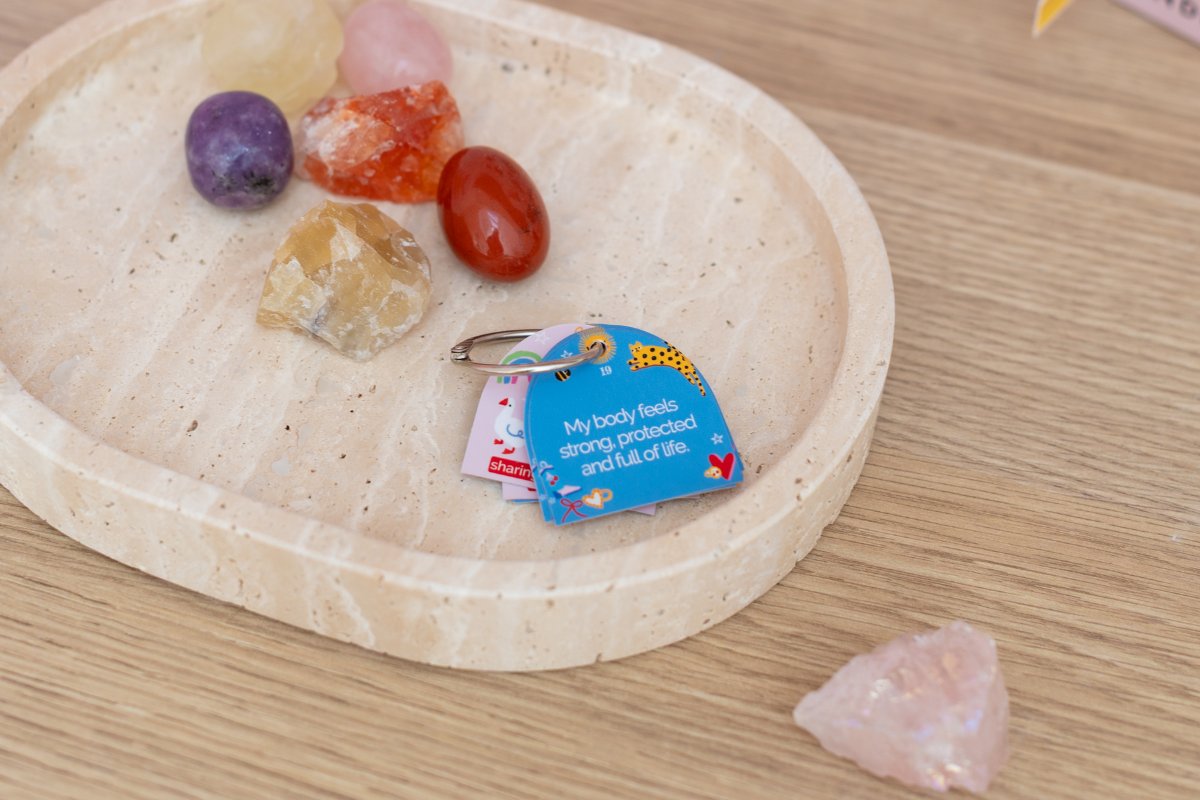
Crystals suit collectors for practical reasons too. Each stone is different, so no two pieces are identical. A child can sort them, compare them, and learn to describe what they see. That kind of close looking builds attention and patience, which are useful well beyond the collection itself.
The best gifts tend to share a few traits: they are safe for the child's age, they invite handling rather than just display, and they leave room for the collection to grow. Keep those three points in mind as you read on.
Choosing Crystal Gifts by Age
The right crystal gift depends heavily on how old your child is, and the safety question matters as much as the appeal. A stone that delights an eight-year-old may be a choking hazard for a toddler, and a kit built for beginners may bore a twelve-year-old who already tells quartz from calcite by scratch test. Matching the gift to the child's stage keeps it safe and keeps it interesting.
Before looking at specific ages, it helps to know the three hazards that come up most often with mineral gifts. The first is size: any piece small enough to pass through a standard toilet roll tube is unsuitable for children under three. The second is sharpness: raw, unpolished specimens, particularly those with broken crystal points or fractured edges, can cut skin. The third is loose parts: small magnets, clasps, and jewellery findings on kits can come away during play.
Ages 4 to 6: Safe, Chunky and Sturdy
Choose larger, smooth pieces that cannot fit in a small mouth, and check that any tumbled stones are fully polished with no rough edges. Plan for close supervision, since children at this age still explore with their mouths. Store small items in a lidded box that is out of reach once playtime ends. A tumbled stone or a sturdy display piece suits this stage well, and a child can be shown how to hold a stone carefully and return it to its tray.
Ages 7 to 9: Starting a Proper Collection
This is when many children begin to name and sort their finds, so a small starter set with a simple identification card gives them a framework. Look for specimens that are clearly labelled and that a child can handle without fine motor precision. Children at this stage enjoy learning names and checking them off, so a short guide turns a handful of stones into a project. Adults should still check any kit that includes small pieces or chemicals, and a shared rule about not putting specimens in the mouth is worth setting early.
Ages 10 to 12: Ready for More Detail
Older children want accuracy and some independence. A clear identification book, a specimen with a documented origin, or a dig kit that lets them sort their own finds will hold their interest. At this age they are also more likely to handle a collection carefully, so a divided storage box or a shallow display tray becomes a sensible addition. Sharp or raw specimens are better handled on a flat surface, not tossed.
A Quick Reference by Hazard
If you are unsure, use this rule of thumb: for children under three, avoid anything small enough to swallow and anything with loose parts. For children aged three to six, choose smooth, large pieces and keep an eye on play. From seven upwards, most mineral gifts are suitable provided the child understands basic handling, such as keeping sharp specimens on a flat surface and washing hands after digging or tumbling.
Rock Tumbler for Kids: Is It Worth It?
A rock tumbler is one of the more involved gifts a collector can receive. It polishes rough stones over several weeks, so the child sees the transformation happen slowly. For a patient, hands-on child, that wait is part of the appeal.
Consider the commitment before you buy. Tumblers run for days at a time, need supervision with water and grit, and produce noise. For a child who wants quick results, a dig kit or a ready-polished specimen may be more satisfying. For a child who enjoys projects, a tumbler can keep them engaged for weeks.
Geology Gifts for Kids Who Want to Learn
Some children want to understand their collection, not just own it. Geology gifts such as identification cards, a simple hand lens, or an introductory rock and mineral book can turn curiosity into real knowledge. A child who learns that quartz is one of the most common minerals on Earth will look at every pebble differently.
Look for materials written at the right reading level and with clear photographs. Learning kits that combine a guide with real specimens tend to hold a child's attention longer than books alone.
Crystal Gifts for Children Who Love Collecting DIY
Many children enjoy making things as much as finding them. DIY crystal gifts, such as crystal-growing kits, glow-in-the-dark crystal sets and simple jewellery-making sets, let a child create something of their own. The results are visible within days or weeks, which suits younger children especially well.
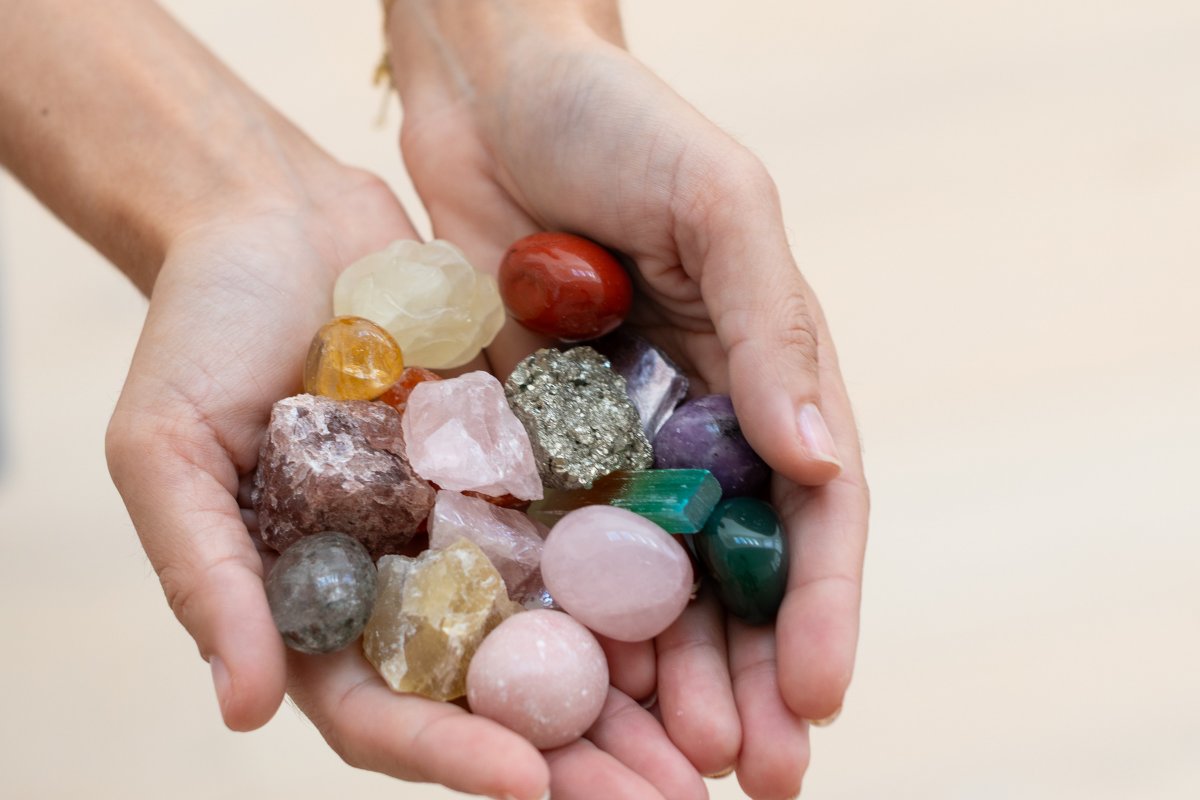
Supervise any activity that involves chemicals, heat or small parts, and follow the age guidance on the packaging. Crystal-growing kits, for example, usually need adult help with the solution.
Best Crystal Gifts for Children Who Love Collecting, Compared
Here is how the main options compare. Use this as a starting point, then match the choice to your child's age and patience.
| Gift type | Best for | Hands-on level | Age suitability |
|---|---|---|---|
| Starter specimen set | First collection | Low | 4 to 9 |
| Dig or excavation kit | Treasure-hunting fun | Medium | 6 to 12 |
| Rock tumbler | Patient project | High | 9 to 12 |
| Identification book | Learning and labelling | Low | 7 to 12 |
| Crystal-growing kit | Creative experiment | Medium | 8 to 12 |
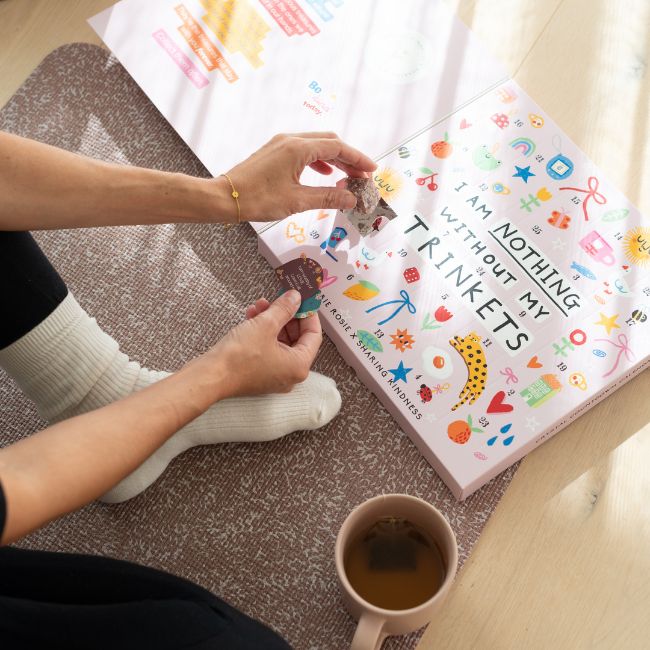
| Crystal Advent Calendar | Daily ritual for older children and adults | Low | Teens and adults |
For a child who is still building her first collection, a starter set paired with a simple guide is often the most rewarding choice. For older children, a dig kit or a tumbler adds the challenge they want. Our Crystal Calendar | My Trinkets at 129.00 suits teenagers and adults rather than young children, as its product listing notes it is not suitable for children who put small objects in their mouths.
Storing, Labelling and Showing Off a Growing Collection
A collection grows quickly, so plan for storage from the start. Shallow trays with individual compartments keep small specimens apart and prevent scratches. Labels, even simple ones written on card, help a child remember where each piece came from and what it is.
Display matters too. A windowsill shelf or a small glass case lets a child show off their favourites and encourages them to care for each piece. Rotate what is on show so the collection feels fresh.
Picking Your Next Crystal Gift for Your Young Collector
The most common mistake with a collector's next gift is buying something they already have, or something that sits outside what they are currently collecting. A few minutes of preparation prevents both problems and makes the gift feel considered rather than random.
Start With an Inventory
Before shopping, spend ten minutes listing what the child owns. Note the rough type of each piece, such as quartz, fluorite, or a polished tumbled stone, and whether any came from a kit or a day out. Take a photograph of the collection tray, since this is quicker to check in a shop or on a phone than trying to remember. Asking the child to show you their favourite pieces will also reveal which types they handle most often.
Identify the Gap
Once you have the list, look for what is missing. A collection with plenty of specimens but no way of naming them needs an identification card or a simple guide. A child with a guide but few pieces to test it on would benefit from a starter specimen set. A collection that is all clear or white stones may be ready for something coloured, and one that is all tumbled and smooth may be ready for a raw, unpolished specimen that shows the rock as it was found. Filling one clear gap makes a better gift than adding variety for its own sake.
Check the Space Before You Buy
A collection needs somewhere to live. If the child has a small shelf or a compartmentalised tray, a large geode may not fit without crowding everything else, and a delicate cluster may be knocked over. Measure the available space and ask whether the new piece needs a stand. For children who keep their collection in a drawer, a flat specimen or a small set in a divided box is more practical than a tall display piece.
Match the Gift to the Collection Level
A child who has been collecting for a few months is different from one who has built a collection over several years. Newer collectors often enjoy something to name and something to show, while experienced collectors may want a specimen with a known locality or a book that goes deeper into identification. If you are unsure of their level, ask whether they can name the mineral in a piece they already own. A confident answer suggests they are ready for more detail.
Learning Styles Still Matter
Some children enjoy digging, some like reading, and some prefer making. A digger may enjoy a dig kit, a reader may want a book, and a maker may love a crystal-growing set. The gift is most likely to be used if it suits how the child already spends their time.
Frequently Asked Questions
What are some good crystal gifts for children?
Good options include a small crystal specimen with a clear label, a beginner gemstone collection in a divided box, or a mini crystal advent calendar that adds one stone each day. For younger children, choose larger, smooth stones that cannot be swallowed. The Crystal Advent Calendar from Sharing Kindness (129.00) is designed for crystal and mindfulness lovers, and its product listing notes it is not suitable for children who tend to put small objects in their mouths, so check the age and habits of your child before buying.
What is the best crystal for a child?
There is no single best crystal, but amethyst and rose quartz are popular choices because they are attractive, widely available and easy to identify. Choose stones that are large enough for a small hand and smooth enough to hold safely. For a child who is new to collecting, a varied set of common stones works better than one rare piece, because it gives them something to compare and sort.
Are rock tumblers suitable for children who collect crystals?
Rock tumblers can suit older children, typically from around nine or ten, who can follow instructions and handle wet grit and a running machine with supervision. Younger children will need an adult to set it up, check the drum and manage the grit. Treat it as a shared project, and remember that the process takes several weeks, which teaches patience as well as geology.
What should I check before choosing crystals as a gift for a child?
Check the age of your child and whether they still put objects in their mouth. Look for stones that are not too small, and read the product listing for any age warnings. Consider what they already own so you can add something new rather than duplicate it. Finally, think about storage, since a child's collection grows quickly and a simple tray or box keeps it organised.
