


Last Updated: November 11, 2026
Quick Summary
A kindness bucket list is a set of small, everyday acts that children can choose from and tick off over time, turning kindness into a game with a visible finish line. Starting with two or three simple acts, such as writing a note of appreciation or helping to clear the table, works well. Many families also find that a 30-day kindness challenge keeps the habit going.
- Kids respond well because ticking off items gives a satisfying sense of progress.
- Begin with two or three small acts rather than a long list that gets ignored.
- At home, link one kindness act to each evening meal so it becomes routine.
- Build a 30-day kindness challenge around one small act per day.
- Let children choose their own items so the activity feels less like a chore.
Table of Contents
- What a Kindness Bucket List Is and Why Kids Respond to It
- Acts of Kindness for Kids You Can Start This Week
- Kindness Activities for Children at Home and School
- Setting Up a Kindness Challenge for Kids That Sticks
- Empathy Activities for Children Hidden in Everyday Kindness
- Using the Printable Kindness Bucket List Kit with Your Kids
- Making Your First Kindness Bucket List This Week
- Frequently Asked Questions
What a Kindness Bucket List Is and Why Kids Respond to It
A kindness bucket list is a set of small, everyday acts that children can choose from and tick off over time. The Kindness Bucket List Kit is built around this idea, giving kids a simple list of things to try.
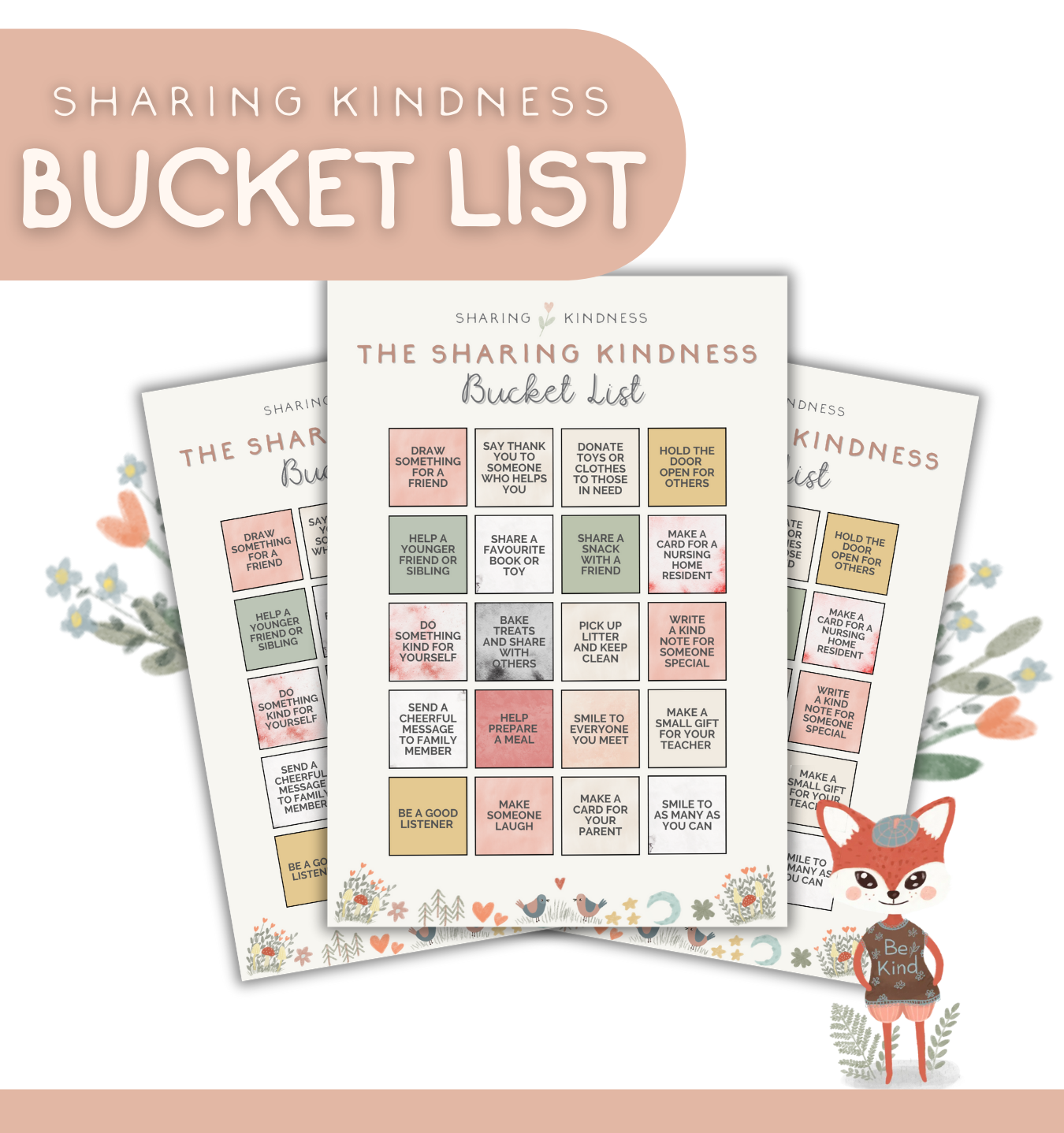
Kids tend to respond well to this format because it turns kindness into a game with a visible finish line. Ticking off an item gives a small, satisfying sense of progress. It also gives parents an easy way to start a conversation about what kindness looked like that day, without having to make it a big moment.
Acts of Kindness for Kids You Can Start This Week
The best starting point is something small and achievable. Acts of kindness for kids tend to work best when they are easy to repeat and need no special equipment.
A few ideas that fit well on a bucket list:
- Write a note for a family member saying one thing you appreciate about them
- Help clear the table without being asked
- Share a favourite toy or book with a sibling
- Say thank you to someone who serves you, such as a cashier or bus driver
Pick two or three to start with. A short list that gets done is far more useful than a long one that gets ignored.
A few starter ideas that suit a bucket list, each quick to try and needing nothing special:
| Act | Effort | Who it involves |
|---|---|---|
| Write a note of appreciation | One sentence | Family member |
| Help clear the table | Unprompted | Household |
| Share a favourite toy or book | Simple sharing | Sibling |
| Say thank you | A brief word | Cashier or bus driver |
Kindness Activities for Children at Home and School
Kindness activities for children work in both settings, though the approach changes slightly. At home, the focus is often on family relationships and everyday routines. At school, teachers can use a kindness list as a shared classroom goal.
For home, try linking one kindness act to each evening meal, so the list becomes part of the family routine. For a fuller approach, this parent's guide to teaching kindness to kids covers the subject in depth. For school, a whiteboard version in the classroom lets children add their own ideas and see the whole group's progress.
Many parents find that children enjoy choosing their own items, which makes the activity feel less like a chore.
Setting Up a Kindness Challenge for Kids That Sticks
A kindness challenge for kids is more likely to last when it has a clear structure and a realistic length. A 30-day kindness challenge can be built around one small act per day, which keeps the commitment manageable for busy families.
Some practical tips for keeping it going:
- Agree on the challenge together before starting
- Set a fixed time each day to talk about what was done
- Let children suggest new ideas once the basics feel easy
- Celebrate small wins, not just big gestures
Expect some days to be missed. A challenge that bends a little is still doing its job.
Empathy Activities for Children Hidden in Everyday Kindness
Empathy activities for children often feel like they need planning, but many of them happen naturally during ordinary moments. For a broader look at building the self-assurance that supports this kind of kindness, see practical steps for building confidence in kids. Asking a child how a classmate might have felt after a disagreement is one example. You can find more exercises in this guide to perspective-taking activities for kids. Noticing that a sibling seems quiet and asking what is going on is another.

If you want a more structured approach, you can build empathy into the bucket list itself. Ask children to choose an item that involves someone they find difficult to get along with, then talk afterwards about how that person might have reacted.
Using the Printable Kindness Bucket List Kit with Your Kids
The Kindness Bucket List Kit [PRINTABLE] is a digital product, available for purchase. No physical items will be shipped.
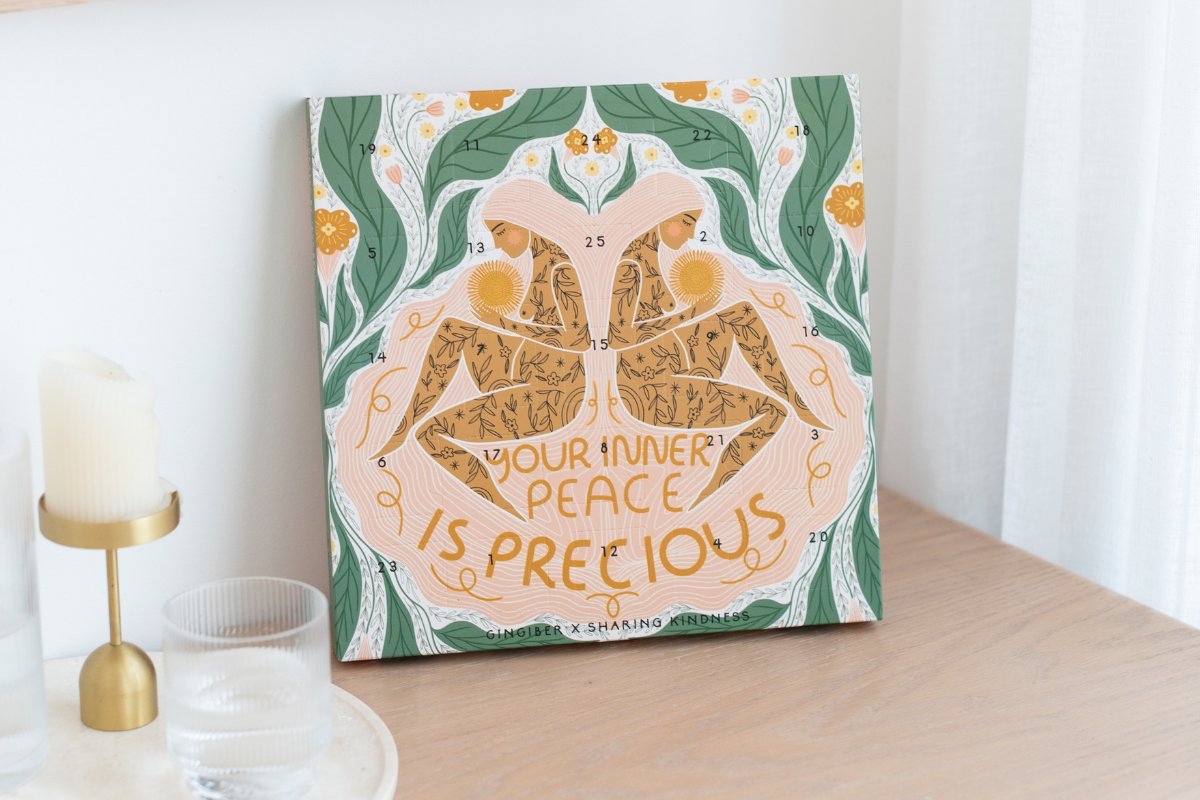
You can use it in several ways: frame it and tick off acts with a whiteboard pen, create a cosy kindness corner at home, or laminate it for repeat use.
Making Your First Kindness Bucket List This Week
Start by choosing a single day this week to begin. Print or write out five to ten simple acts, then let your child pick the first one to try. Tick it off together that evening and talk about how it felt.
If you would like a ready-made structure, the Kindness Bucket List Kit gives you a list of ideas to start from.
Frequently Asked Questions
What is a kindness bucket list for children?
A kindness bucket list is a printed set of small, achievable acts that a child can work through and tick off over days or weeks. Each item is simple enough to do in an ordinary day, such as sharing a snack, writing a note for a neighbour or helping tidy up without being asked. The Kindness Bucket List Kit from Sharing Kindness gives you ready-made ideas, so you can frame it or laminate it for repeat use. The aim is not perfection but a habit of noticing other people.
What are some simple acts of kindness children can do?
Good starting points are ones that cost nothing and take minutes: saying thank you to a bus driver, drawing a picture for a family member, offering to share a toy, or helping a sibling with homework. Children also respond well to kindness aimed at themselves, such as noticing one thing they did well today. Keep each act small and specific so your child can finish it and feel proud of it.
How can I teach my child to be kind to others without it feeling like a chore?
Make kindness a shared activity rather than a task you hand out. Tick off a kindness act together at dinner, let your child choose from the list, and talk about how the other person might have felt. Avoid rewards that turn kindness into a transaction. If your child rolls their eyes, that is normal; keep the list visible, keep it light, and let them lead some of the choices.
How can teachers use a kindness list in the classroom?
Teachers can print the Kindness Bucket List Kit to use in the classroom. Short group discussions after a week of activities help children reflect on what they noticed. Keep the focus on connection and empathy rather than competition, so that quieter children feel just as included as the most outgoing ones.
