


Table of Contents
- Why More Families Are Rethinking the Plastic Toy Mountain
- Non-Toy Gifts for Children That Get Used, Not Stored
- Kindness Activities for Kids That Build Confidence, Not Clutter
- Rethinking Advent Calendars for Kids: Beyond Chocolate and Plastic
- Experience Gifts for Children That Create Memories Instead of Mess
- How to Choose Plastic Toy Alternatives by Age and Temperament
- What to Say When Grandparents Ask What to Buy
- Conclusion: Teaching Children About Being, Not Having
- Frequently Asked Questions
Last Updated: 16 October 2026
Why More Families Are Rethinking the Plastic Toy Mountain
Walk into any playroom after a birthday party and you will see the problem clearly: a pile of plastic that took thirty seconds to unwrap and will be forgotten by Tuesday.
The shift is generational as much as it is environmental. Grandparents who once defaulted to the toy aisle now ask us what will last. The answer, almost always, is something that builds a child up rather than fills a shelf.
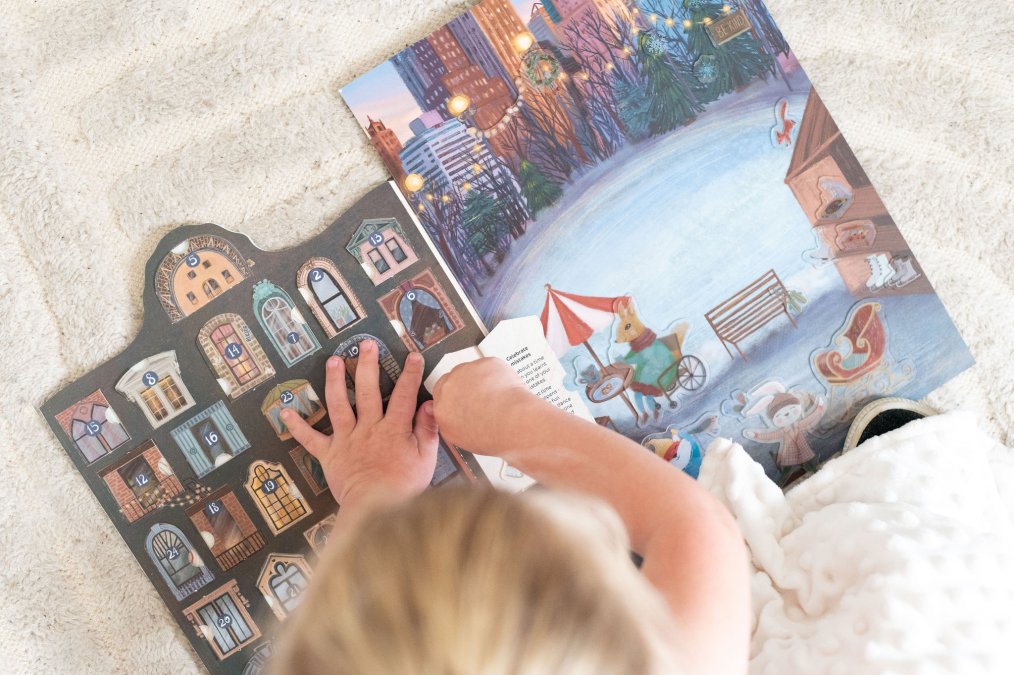
Non-Toy Gifts for Children That Get Used, Not Stored
Non-toy gifts for children are presents that build an experience, a skill, or a relationship rather than adding to the toy box. They tend to fall into a handful of categories: shared activities, creative tools, memory-makers, and keepsakes with a purpose.
The test we use is simple. Ask yourself whether the gift will still matter in six months. A squishy that loses its shape in a fortnight fails that test. A gratitude rock that sits on a bedside table and prompts a nightly conversation passes it easily.
- Shared activities: a voucher for a pottery class, a rock-climbing session, or a cooking workshop the two of you do together
- Creative tools: a proper sketchbook, a camera, a set of good pencils that will not snap
- Memory-makers: a day out, a train trip, tickets to something they will talk about for months
- Keepsakes with purpose: a small stone to carry, a badge to wear, a card to keep
What separates these from a plastic toy is not price. It is what happens after the wrapping paper comes off.
What Makes a Gift Meaningful Rather Than Just Different
A meaningful gift asks something of the child, even in a small way. It invites them to think, to give, to notice, or to connect. A different gift is simply a swap: wooden instead of plastic, still forgotten.
We think the distinction matters because it changes what you are teaching. A gift that asks a child to pass something on, or to name something they are grateful for, is doing quiet work long after the novelty fades. That is the whole idea behind our research on gratitude and wellbeing in children, which consistently links small gratitude practices to better emotional resilience.
Kindness Activities for Kids That Build Confidence, Not Clutter
Kindness activities for kids are simple, repeatable actions that turn a child's attention outward while quietly building their own sense of capability. They work because children learn confidence by doing, not by being told they are confident.
The activities that stick are the ones with almost no setup. Leaving a kind note in a library book. Putting a stone somewhere a stranger will find it. Saying one true, kind thing at dinner. None of these need a craft cupboard or a parent with spare energy.
The Box of Confidence: Affirmation Cards in Practice
Our Box of Confidence is a set of 40 hand-drawn affirmation cards designed for children aged 4 to 12. Each card carries a short, simple statement and an illustration, with four recurring characters children tend to latch onto quickly. The point is not to drill positive thinking. It is to give a child words for feelings they cannot yet name.

A common mistake is handing over the whole box at once. Pick one card. Leave it on the pillow. Let the child bring it up, or not. The cards work best as a slow drip rather than a lecture.
Rethinking Advent Calendars for Kids: Beyond Chocolate and Plastic
Advent calendars for kids have become a December ritual built on sugar and single-use plastic. Most contain 24 tiny chocolates and a cardboard frame that goes in the bin by January. The daily ritual is lovely. The contents rarely are.
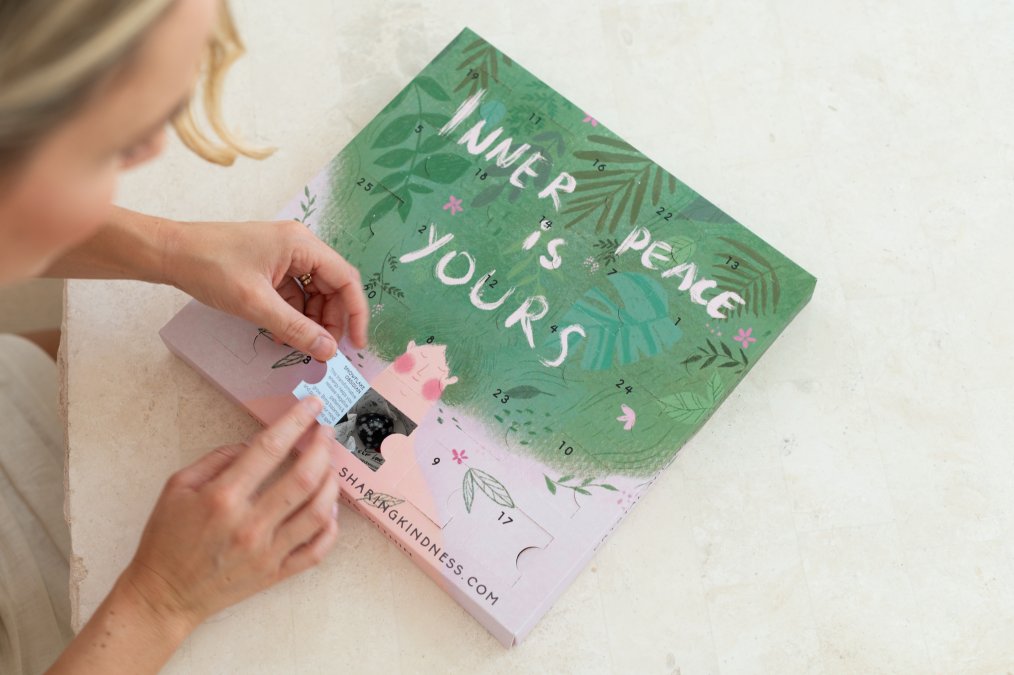
A kindness advent calendar keeps the ritual and changes the contents. Instead of a chocolate, each day reveals a small act of kindness to carry out. The child still gets the daily reveal, the countdown, the anticipation. What they do with it is different.
| Calendar Type | What's Inside | What Happens After December | What It Teaches |
|---|---|---|---|
| Chocolate advent calendar | 24 small chocolates | Packaging binned, nothing kept | Anticipation of a treat |
| Plastic toy advent calendar | 24 tiny plastic figures | Figures lost or discarded by January | Collecting |
| Kindness advent calendar | 24 daily acts of kindness | A habit that can continue all year | Giving and noticing others |
The comparison is not really about waste. It is about what a child practises for 24 days straight. Practise chocolate and you have had a nice December. Practise kindness and you have started something.
How a Kindness Advent Calendar Works Day by Day
Each day in December, the child opens one prompt. It might be "give someone a genuine compliment" or "help with a job you normally avoid." Some days are small and private. Others involve the whole family.
We have heard from families who keep the cards and repeat their favourites in July. That is the part that surprises people. The calendar finishes. The habit does not have to.
Experience Gifts for Children That Create Memories Instead of Mess
Experience gifts for children trade an object for a memory, and the research on this is fairly settled. studies on experiential versus material gifts have found that experiences tend to produce longer-lasting happiness than possessions, partly because they are shared and partly because they can be retold.
The practical version looks like this: a day at the zoo with one grandparent, a term of swimming lessons, a train trip to a city they have never seen. None of it ends up on the floor.
There is a catch worth naming. Experience gifts can feel abstract to a young child on the day. Wrap the tickets. Add a small physical token they can hold, like a badge or a stone, so there is something to open alongside the promise.
How to Choose Plastic Toy Alternatives by Age and Temperament
The right alternative depends far more on the child than on the category. A four-year-old and a ten-year-old need completely different things, and a sensitive child needs a different approach again.
- Ages 4 to 6: concrete and sensory. A stone to hold, a card with a picture, a simple daily task. Abstract concepts will not land yet.
- Ages 7 to 9: ready for cause and effect. They can understand that leaving a kind note might change someone's day, and they enjoy seeing the result.
- Ages 10 to 12: often sceptical and quick to spot anything that feels forced. Give them ownership. Let them choose the act, or run the family game themselves.
- Sensitive or anxious children: start with private acts rather than public ones. Kindness that does not require an audience is easier to try.
- Cynical children: skip the framing entirely. Do not call it a kindness activity. Just play the game and let them draw their own conclusions.
What to Say When Grandparents Ask What to Buy
Grandparents ask because they want to get it right, and most are quietly relieved to be given a clear answer. The mistake is responding with a list of things not to buy. That reads as criticism of every gift they have ever given.
Try framing it as a request instead. "She has plenty of toys.
Our Positive Mindset Game was built for exactly this situation. It has 120 question cards across three levels, plus action cards, a gratitude moon rock, a 21-day tracker, gratitude and affirmation notepads, stickers, and journalling prompts.

If you want something smaller to pair with it, our Kindness Crystals pass-it-on set gives a child three stones to keep, gift, or hide for a stranger to find.

Conclusion: Teaching Children About Being, Not Having
The best gifts do not come wrapped in paper, and most parents already know it. What they lack is not the instinct but the language to explain it, especially to relatives who default to the toy aisle out of love rather than laziness. That is the gap we try to close at Sharing Kindness.
Every product we make is designed to start a conversation rather than fill a shelf. Our affirmation cards give children words for their feelings. Our kindness advent calendar turns December into 24 small acts of giving. Our family game gets everyone talking about gratitude, fears, and the things that actually matter.
If you are ready to swap the plastic mountain for something your child will still be using next year, start with one small thing. Add to cart and see what happens at the dinner table.
Frequently Asked Questions
What are meaningful alternatives to plastic toys for kids?
Meaningful plastic toy alternatives are gifts that build connection, confidence or kindness rather than filling a toy box. Examples include affirmation cards, family conversation games, experience gifts like a day out together, and pass-it-on stone sets. The common thread is that the child does something with the gift, whether that is talking, sharing, giving or reflecting. These gifts tend to get used repeatedly rather than forgotten within a week.
What are good non-toy gifts for children aged 4 to 12?
For ages 4 to 7, look for simple affirmation cards with pictures, sticker-based kindness trackers, or a family game with easy question levels. Ages 8 to 12 often respond better to gifts with a bit of autonomy, such as a pass-it-on stone set they can hide for someone, or a gratitude rock they keep on their bedside table. Experience gifts work across both age groups, especially when the child gets to choose the activity.
What are alternatives to plastic advent calendars for kids?
A kindness advent calendar swaps the daily chocolate or plastic trinket for a daily act of kindness. Instead of opening a door to find another object, the child opens it to find something to do for someone else, like writing a note to a neighbour or helping set the table without being asked. The ritual stays the same, but the focus shifts from receiving to giving, which tends to hold a child's attention longer than a small toy.
How can gifts teach children about kindness and giving?
Gifts teach kindness when the child has to do something, not just own something. A pass-it-on stone set asks them to decide who needs it more than they do. A family game asks them to listen to someone else's story. A kindness calendar asks for one small action a day. Over a few weeks these small actions become habits, and the child starts to notice how giving affects the people around them, and how it makes them feel.
Will a 10-year-old actually engage with something like affirmation cards?
It depends on how you introduce it. A 10-year-old who is handed a box of cards and told to read them will likely roll their eyes. The same child will often engage if the cards are used as a game, a bedtime ritual, or a way to answer a question they get to choose. Let them pick the card, let them skip ones they do not like, and avoid turning it into a lesson. Autonomy is what makes it stick at that age.